3 months ago
25
3 months ago
25
Remember Max Chandler-Mather? Anthony Albanese does.
The firebrand former Greens MP seemed to be living rent-free in the prime minister’s head at times during the last term of parliament. Albanese’s dislike of Chandler-Mather was visceral. The prime minister personally targeted him in parliament and took particular delight in winning back Chandler-Mather’s seat of Griffith, once held by Kevin Rudd, at the May election.
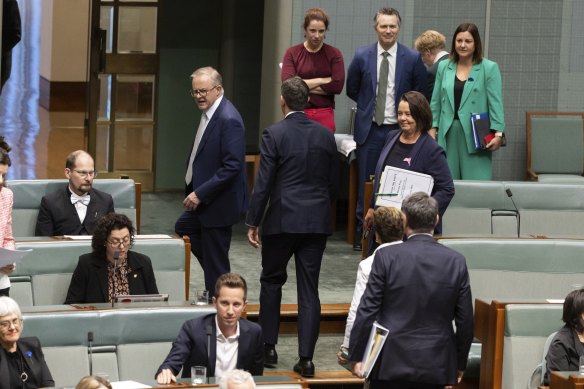
Anthony Albanese shares his thoughts with Max Chandler-Mather in the last parliament.Credit: Alex Ellinghausen
Nearly six months after that Labor win, Albanese was still relishing the result, highlighting it during his speech at the Midwinter Ball.
Heading into the election, the Greens were confident the party would win seats such as Wills in Melbourne and Richmond on the NSW mid-north coast. Much like in 2010, when Labor lost seats and the Greens vote surged to a new high, so too would voters desert Labor and switch to the environmental party. Instead, the Greens national primary vote fell by 0.05 per cent in the lower house (hardly a disaster). But it fell further in the wrong places and major-party preference deals hurt the Greens – enough to cost Chandler-Mather, Greens leader Adam Bandt and Stephen Bates their seats.
The party did undertake an election review but, since the poll, the Greens have said little about the reasons they lost seats. While new leader Larissa Waters is talented and capable, there is a sense that the party is still licking its wounds. And yet, while all the focus is on the Liberals and their internal fight over net zero, the Greens have largely escaped scrutiny of their dire 2025 election result. There has been no obvious mea culpa. Therefore, Chandler-Mather’s frank assessment – particularly of what the Greens got wrong – is worth listening to. It’s also a reminder that they sorely miss his more confrontational and cut-through style.
So far, the Greens have had little say on new policy. They will play a key part in backing or blocking Labor’s proposed environmental law changes in the Senate, but the party has been pushed to the margins of political debate.
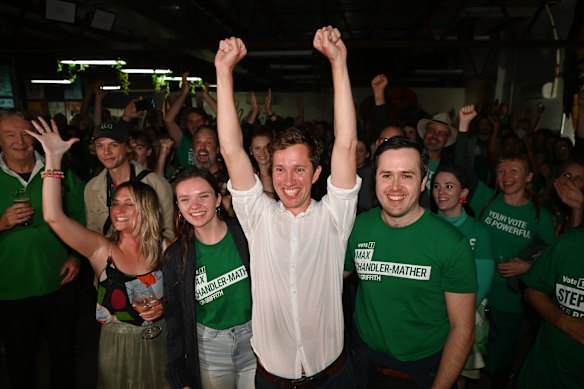
Max Chandler-Mather celebrates his win in Griffith in 2022.Credit: Dan Peled
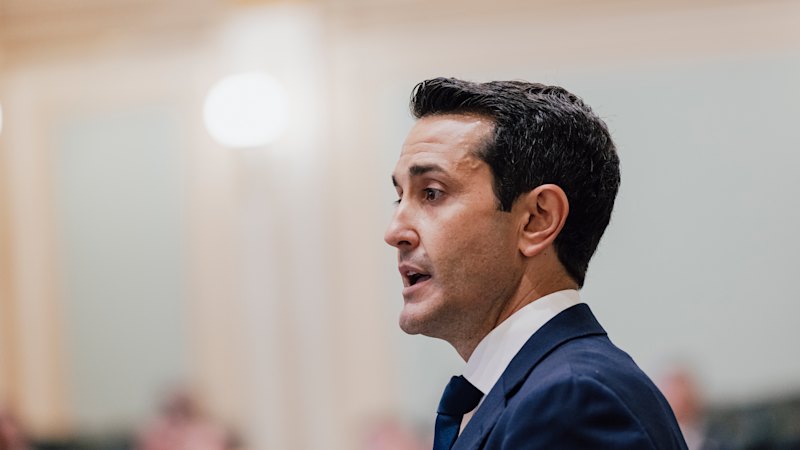
Six months on from the federal election and after a lot more quality time with his partner and two-year-old son, 33-year-old Chandler-Mather, who isn’t working full-time, has given his first interview to this column about the Greens’ political future. And his own.
First off, he dismisses out of hand the often-repeated critique that the Greens were seen as too stridently pro-Palestine or that his decision to stand with the CFMEU at a Brisbane rally cost him personally.
“No on both questions,” he says. “The Greens have a long history of standing up for peace from the beginning of Bob Brown’s opposition to the Iraq and Afghanistan war, which was proved correct. It’s a consistent moral position.
“A lot people I speak to now thank me for doing that [speaking at the pro-CFMEU rally], especially once they heard why, which is standing up for basic civil liberties … you cross the line when you go after an entire organisation.”
Chandler-Mather says that in the first 18 months of the last term of parliament “you saw this mass mobilisation, campaigning around perhaps the most important material issue facing Australians, around housing ... it put the government under real pressure”.
The Greens had argued for rent caps and big spending on social housing and, in part, Chandler-Mather blames “extremely powerful people”, including major banks and property developers whose interests were threatened. “Secondly … I think it was a mistake in that second half [of the term] to focus so much on talking about ‘keeping Dutton out’. In the end, we just ended up making an argument for a Labor government.”
In other words, targeting Labor would have been a path to more seats; targeting Dutton was just a “political party talking about stopping another politician”.
The Greens didn’t door-knock as effectively as they could have, Chandler-Mather says, and he accepts some of the blame for that. In 2022 in Griffith, he and his team door-knocked 90,000 residences (some more than once), but this time they managed only about 50,000. That pattern was repeated in target seats around the country as the Greens spread themselves too thin.
Loading
It’s worth remembering Chandler-Mather was once a Labor member, joining because of his admiration for Gough Whitlam, before quitting disillusioned. But Labor schooled him in field-campaigning and organising – skills he used against the ALP in Griffith, and which he shared in training workshops for Greens volunteers across the country. He is a fervent believer in the efficacy of door-knocking and that on-the-ground conversations are the way to turn people’s votes Green.
Though he is out of politics for now, Chandler-Mather remains focused on changing the system for ordinary Australians. He frequently references the success for the newly elected mayor of New York, Zohran Mamdani, and the surging support for the UK Greens and their leader, Zack Polanski, who is from the Bob Brown “we don’t want to keep the bastards honest, we want to replace the bastards” school of politics.
And Chandler-Mather is still thinking about big policy ideas that his party could adopt to win support from Australian voters, including a massive project of building social and affordable housing, beyond anything the current government already has under way, “so there’s not a single mum in this country that will ever go hungry again”.
“I fundamentally believe that the next frontier for social demands is a four-day work week, with no loss of pay. Had working weeks kept up with productivity gains over the last 30 years,” he argues, “we’d already have a four-day work week.”
Loading
Chandler-Mather wants the childcare and electricity sectors to be nationalised by government to put downward pressure on prices “because at the moment we’re just padding the profits of private childcare centres and a largely privatised energy system”.
He praises former leader Bandt and current leader Larissa Waters, adding he would have voted for her if he was still in the party room.
That Chandler-Mather was once Labor was among the reasons offered last term as to why Albanese disliked him so much – and that the prime minister saw a lot of his younger self in the Greens MP. Albanese and Labor recognised a dangerous opponent and a future party leader in Chandler-Mather, so they went all out to defeat him. Or, as Chandler-Mather puts it, “What do people do when they feel threatened? They try and squash you ... but I don’t think Mother Teresa could change the Labor Party from the inside.”
So will he run again, in either the easier-to-win Senate or in his old seat of Griffith?
“Definitely not the Senate,” he says, “because there’s not [a vacancy] … I’m very drawn to the lower house, yeah, because it’s a lot harder to win, and there’s no guaranteed win, but I think the future of the party is that mass on the ground organising.
“I still can’t really walk around Griffith at the moment without someone coming up and asking me the same questions you’re asking me now. It’ll be an organic process. And I want to try and keep an open mind as possible, and take a bit of time to reflect.”
But rather than licking their wounds and languishing on the sidelines, mostly irrelevant, Waters and the Greens should confront head-on what the party got wrong at the last election and trust that voters would reward them for being honest about their failings. Chandler-Mather’s proposals and critiques might be a good place to start.
James Massola is chief political commentator. If you know more about the Greens’ election review, share it on Signal with @jamesmassola.01.
Most Viewed in Politics
Loading