A bitter Democratic primary is unfolding in Maine as two candidates battle for the chance to challenge five-term Republican Sen. Susan Collins, one of the GOP's most vulnerable incumbents in the upcoming midterm elections.
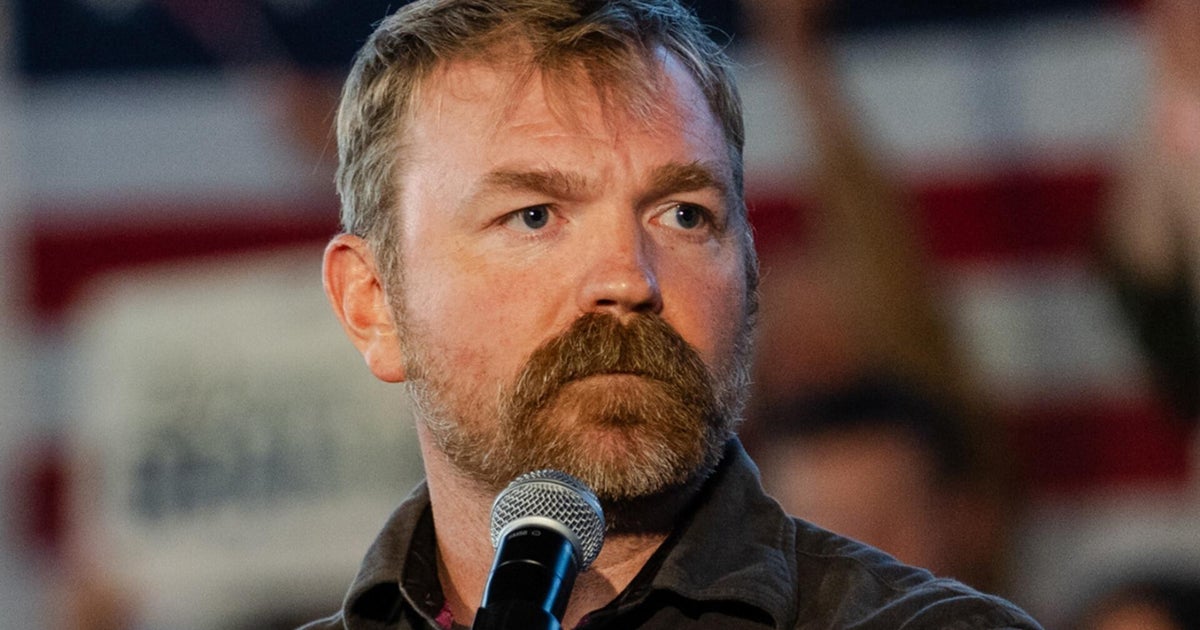
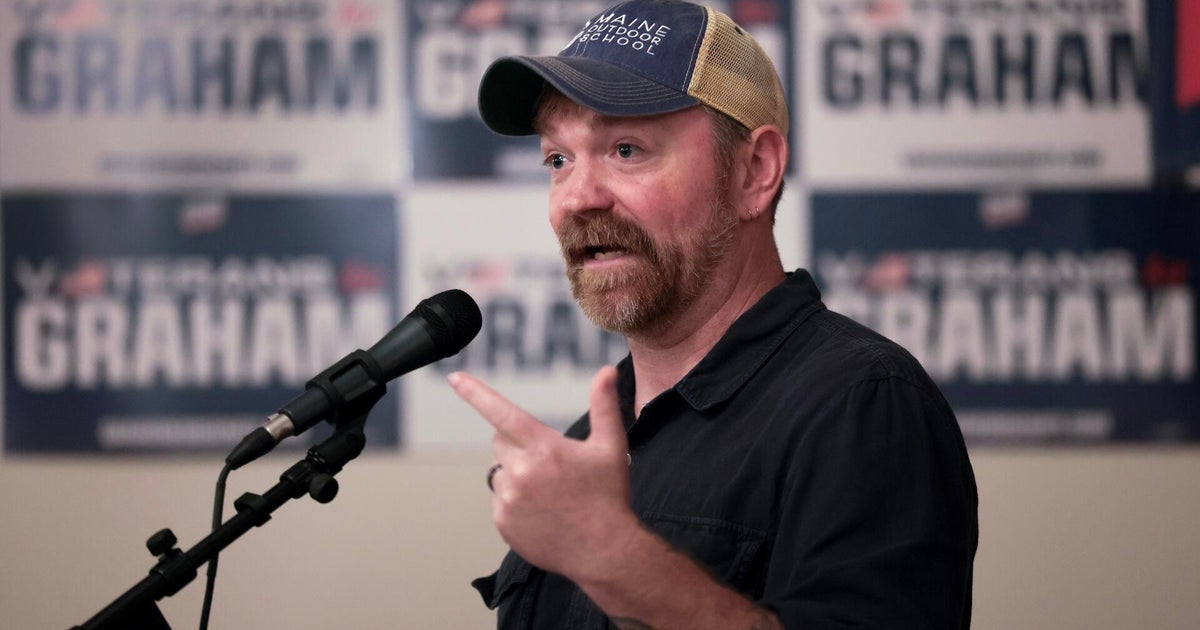
The race pits a centrist sitting governor, Janet Mills, against a progressive firebrand, Graham Platner, an oyster farmer, military veteran and former private military contractor who has built momentum in recent months. It's also a generational contest, with the 78-year-old Mills pointing to her track record of winning statewide while 41-year-old Platner casts himself as an outsider candidate.
Polling in the race is limited, but some recent surveys show Platner leading Mills among Democratic primary voters. Platner's campaign may also have a financial edge, raising some $7.8 million last year compared to Mills' $2.6 million and Collins' $4.6 million, according to federal filings. Less well-known Democratic candidate David Costello has raised just over $21,000, not including loans.
The race is one of this year's most closely watched Senate contests, a rare opportunity for the party to pick up a seat in the chamber in the midterms. It is sure to draw significant outside spending, given the intense interest in the race and its national stakes.
The high-stakes contest has triggered an escalation in attacks, with the Mills campaign unveiling a negative ad Tuesday that highlights controversial statements allegedly made by Platner on the online forum Reddit.
The ad quotes Platner writing in 2013 that women concerned about rape should "not get so f***ed up they wind up having sex with someone they don't mean to" and should "act like an adult for f***s sake."
According to sources familiar with the campaign's media strategy, the six-figure ad buy is running statewide across broadcast, cable and streaming platforms.
CBS News has reached out to representatives of Platner's campaign for comment.
Platner has previously apologized for many of those posts. Asked about the rape-related comment, he told The Atlantic last year that he was "f***ing embarrassed."
"For those of you who have read these things and been offended, have read these things and seen someone that you don't recognize, I am deeply sorry," Platner said in an October video, saying the posts were written "in an earlier part of my life." He added that some of the posts echoed the "crude humor" that was common in military circles, and reflected the depression and post-traumatic stress disorder that he faced after his time in Iraq with the Marine Corps and in Afghanistan with the National Guard.
Platner's Reddit history has drawn controversy since last fall, when CNN and several other news outlets uncovered posts in which he allegedly called himself a communist, referred to cops as "bastards" and appeared to agree with the sentiment that rural White people are racist and stupid.
Platner has also faced scrutiny after it was revealed last year that he had a tattoo that resembled a Nazi symbol. He said he has since covered up the tattoo, which he says he got during a night of heavy drinking in Croatia almost two decades ago and didn't realize it had any Nazi connotations.
The social media posts and tattoo have fueled intra-party controversy in a race where both major Democratic candidates have focused much of their public messaging on attacking Collins.
Mills, a popular governor, was a top recruit of Senate Minority Leader Chuck Schumer. During the campaign, she has pointed to her record as a district attorney, attorney general and two-term governor — winning reelection in 2022 with 55% of the vote against former GOP Gov. Paul LePage. She has also vowed to fight President Trump, drawing national attention last year, when she verbally sparred with the president about transgender athletes at a White House event.
"See you in court," Mills said to Mr. Trump after he threatened to cut off funding to Maine.
But Mills is a target for calls for generational change from the party's base. In one Platner ad released last year, an unnamed person says Mills "was a good governor, but I think it's time for change." He has also called the contest a "generational race" about "old ideas vs new ideas."
Platner has run an insurgent campaign, seeking to appeal to the populist and progressive wings of the Democratic Party. Platner and his allies have argued that Democrats, who are still unpopular in recent polls, need a more confrontational candidate willing to not only challenge Mr. Trump and Republicans, but also buck the party establishment.
While Mills has Schumer's backing, Platner has picked up endorsements from several members of the Democratic caucus, including Sens. Ruben Gallego of Arizona and Bernie Sanders of Vermont. He's also drawn endorsements from the United Auto Workers and the Maine State Nurses Association.
The winner of the Democratic primary in June will face off against Collins, who has represented Maine in the Senate for nearly three decades.
Collins is a top target for Democrats, who need to flip four GOP-held seats in order to take a majority in the Senate, a tall order since most of the Republican-held seats at play this year are in deep-red states. Maine leans Democratic, with Mr. Trump losing statewide by 7 percentage points in 2024.
But defeating Collins is not necessarily an easy task. The lifelong Mainer — who hails from the state's northernmost and most isolated county — has carved out an identity as a moderate who is willing to break with Mr. Trump and GOP leaders, and she has deep local ties throughout the state. Collins has vexed Democrats for years: She won reelection in 2020 by 8.6 points even as Mr. Trump lost in the state by 9 points, despite spending half as much money as Democratic opponent Sara Gideon.