3 months ago
32
3 months ago
32
April 3, 2026 — 9:30am
Until very recently, I was a police officer. I served on the frontline at busy stations in central Melbourne and the northern suburbs. It is an incredible job. On any given day, you have no idea what you might be confronted with. As I was told on my first day at the academy, you have a front-row seat for the greatest show on earth – humanity itself. When something goes wrong, it’s police we call on. And the variety of things that go wrong in our world is staggering.
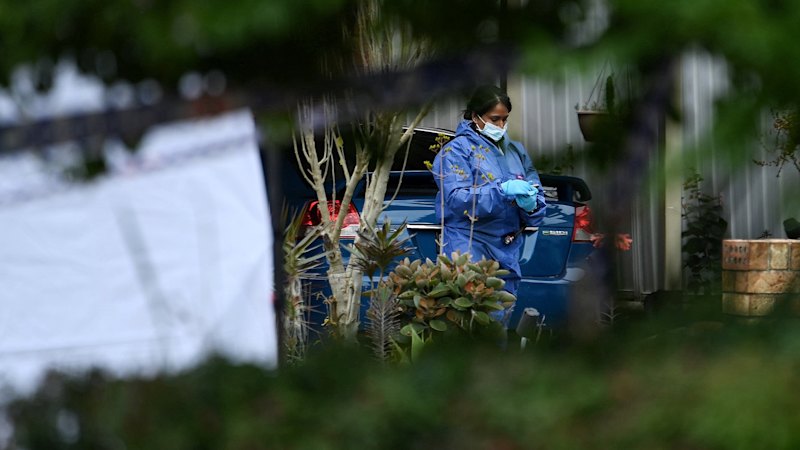
Life or death decisions are part of the job. For Vadim and Neal, the officers who attended Dezi Freeman’s address at Porepunkah last August, a “routine” task led to their own deaths and each officer knows that could happen at any time. I confronted my own mortality the day I chose to engage a man who had shot at and then stabbed his partner. I feared he would finish the job and kill her, so I decided to move towards him rather than wait for negotiators. I convinced him to drop his weapons, and managed to rescue her. The victim thanking me for saving her life will be with me forever.
It can be the best job in the world, and the worst job, sometimes in one day. Unfortunately, this life can take a severe toll on those of us who have chosen it.
At its worst, the stress of the job left me overwhelmed by nightmares. For some, their nightmares relive the same incident over and over. In my case, each nightmare was unique. They were incredibly realistic, and in most I was killed or injured – stabbed, drowned, shot, you name it. Once I leapt out of bed fighting an invisible assailant and concussed myself on the bedpost.
It’s easy to think that policing is about the big dramatic events, and I’ve seen my share of those, such as Black Saturday and the DFO plane crash. But frontline policing, particularly at busy stations, is relentless. Crashes, assaults, thefts – day after night after day. One day I responded to a murder in my zone, and so the sergeant of a neighbouring area took control of my area while I responded. Then there was a double murder in her area, so I took back my patch and also managed hers. Then there was a factory fire on top of everything else. Do cops earn their pay? Yeah, I think they do.
There are understandably high expectations from the public, the justice system, government, senior officers. That creates great pressure. Those guys on the van and in the stations generally get smashed every day, trust me on that, but they do an amazing job.
Dealing with numerous violent deaths can be taxing. Murders, accidental deaths and industrial accidents. The fatal and serious injury collisions you witness in highway patrol can be hard to get out of your brain. I’ve looked through the pockets of a guy who had his skull ripped off but whose eyes were still staring at me. Or there was the time a doctor, a paramedic and I tried to save a man who despite our efforts subsequently died after a crash. I took my daughter to sport that night and all I could think about was that guy.
The worst for me were the suicides, particularly of young people who left grieving families behind. Dealing with those families, and delivering death messages, was emotionally wrenching. Towards the end of my career I found it difficult to cope with my emotions in situations like these. I could feel myself absorbing their pain.
Despite all that, I loved my job, and was dedicated to it. It carried great satisfaction when done well, and I had some great days. Once, when doing paperwork in the office, I heard a job on the police radio for a missing elderly lady. It wasn’t my responsibility, but it was a hot day so I decided to go out and look for her. On a hunch, I searched where no one else was looking. I found her, unharmed but suffering heat stress, and was able to get help to her. Another rewarding day was when I transported two donated organs to separate aircraft literally waiting on the runway for them. I used all of my driving experience to get them there as soon as safety allowed.
Unfortunately, like many other officers, I’ve also been damaged by the job. Most obviously, a traffic stop in the middle of the night ended up with me being attacked by four men and an ambulance trip to emergency. My career resulted in seven operations – four on my ankle, two on my teeth and one on my shoulder, and I have permanent injuries. In other incidents my police car was deliberately rammed by a semi-trailer, and I was strangled while attempting to restrain a mental health patient. I brushed each of these off at the time but each incident added a load to my brain.
In 2018, I began experiencing severe anxiety and a psychiatrist diagnosed me with post-traumatic stress disorder. For some, PTSD comes knocking after a single traumatic incident, for others it comes after repeated exposure to trauma.
I soldiered on – toughness and resilience are part of the officer’s kitbag, after all. Then, in 2023 all the trauma hit me at once and I fell apart. The most severe assault on my psyche took place when I was finally able to sleep. I was beset by those nightmares, and that has been my curse ever since. I became severely fatigued and isolated, a common by-product of this scourge.
Although I was determined not to quit and tried three times to return, the police medical officer ultimately made the decision for me; I was ill-health retired. It has sadly happened to many other police officers, but it was made harder for me because of a flaw in the system that officers who put in a PTSD claim over the age of 55 (a deadline I missed by a few months) are not eligible for a pension.
I still believe policing is an honourable duty, and a rewarding career, and miss it enormously. Whether it’s major disasters or individual personal crises, police are needed. But recruits should know what they’re signing up for. The key is to understand how trauma might affect you and get help before it’s too late.
Few people know how it feels to be exposed to the extreme risk of violence and mental harm in their job, but police do. Neal and Vadim paid the ultimate price, as sadly too many of my colleagues have. Although I have been damaged by my service, I look back on my career with great pride and satisfaction, which is why I can declare myself happy that I chose to join.
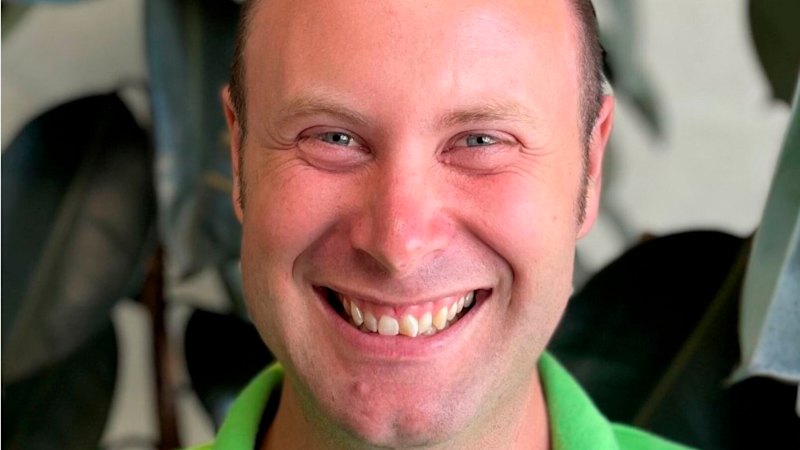
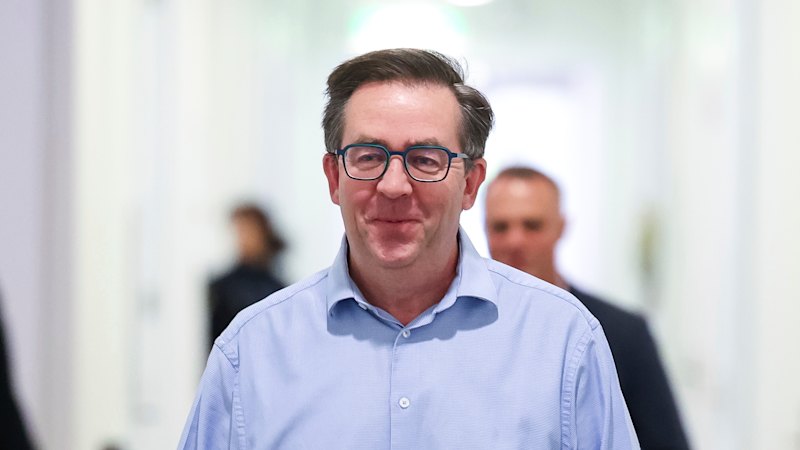
Jason Doyle is a retired police officer.
Crisis support is available from Lifeline on 13 11 14 and Beyond Blue on 1300 22 4636.
The Opinion newsletter is a weekly wrap of views that will challenge, champion and inform your own. Sign up here.