3 months ago
36
3 months ago
36

January 28, 2026 — 12:24pm
A big jump in prices for tourist travel and the end of electricity subsidies has pushed annual inflation to 3.8 per cent but it may not be enough to force the hand of the Reserve Bank.
The December consumer price index released by the Australian Bureau of Statistics this morning showed prices increased by a full percentage point last month.
It pushed the annual inflation rate up from 3.4 per cent to 3.8 per cent.It was driven by electricity prices which, at an annual rate, grew by 21.5 per cent over the year compared to 19.7 per cent in the 12 months to November.
The end of power subsidies in both Queensland and Western Australia contributed to the lift.
That’s reflected in the inflation rates of the capital cities. The highest are in Brisbane (at 5.2 per cent) while Perth is the second highest in the nation at 4.4 per cent.
Both Darwin and Melbourne have the lowest inflation rates at 3.1 per cent.
There was also a large jump in travel and accommodation prices in December as Australians went on holidays. Domestic holiday prices jumped by 8.2 per cent last month, which the bureau attributed to strong demand through the school holidays and the Ashes Test series.
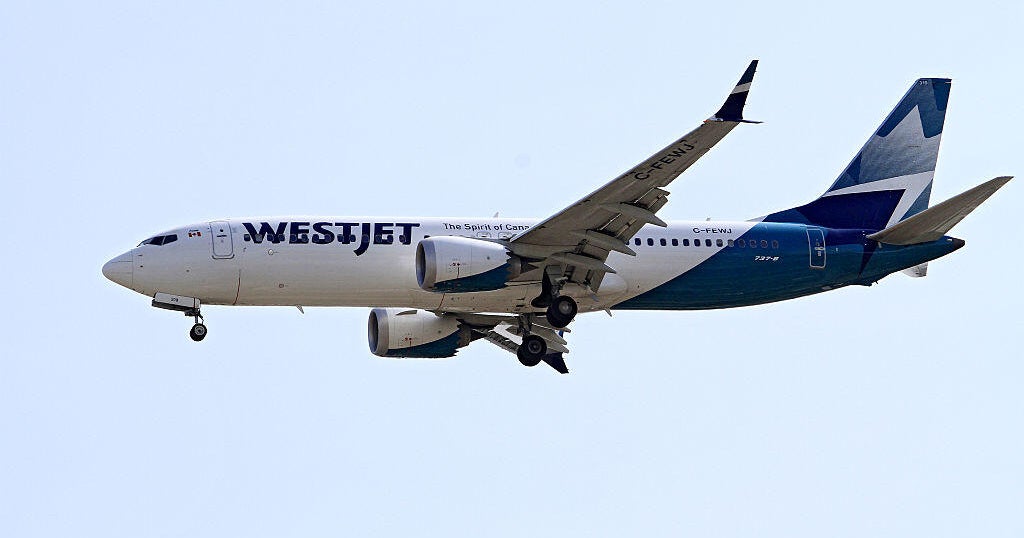
International travel costs soared by 24.4 per cent last month due to a sharp jump in airfares.
While overall prices did lift, the bureau noted that once seasonal factors were taken into account, prices increased by a much more modest 0.2 per cent.
Underlying inflation, which is closely watched by the Reserve Bank, actually stepped down in December, climbing by 0.2 per cent.
That took underlying inflation to 3.3 per cent over the past 12 months, just 0.1 percentage point above the Reserve Bank’s own forecasts for the period.
The bank sits next week with markets putting the chance of an interest rate rise at 60 per cent.
On the numbers being released, the Australian dollar - which climbed over US70 cents for the first time in three years - lifted on expectations of a rate rise. But as the figures were processed by analysts, the dollar eased below the US70 mark.
The figures are the bureau’s recent monthly measure of inflation. The Reserve is closely watching the long-term quarterly movement in inflation.
The bureau found that over the December quarter, prices lifted by 0.6 per cent - well down on the 1.3 per cent spike in the September quarter. It was the lowest quarterly result since December 2024.
Rent inflation eased slightly to 3.9 per cent from 4 per cent, with the bureau noting that vacancy rates across all capital cities have been stable over the past year.
Food inflation lifted to 3.4 per cent, with the weather and demand for Australian beef out of the United States continuing to be major factors.
Beef and lamb prices lifted by 10 per cent through the year due to strong overseas demand.
Fruit and vegetable prices lifted by 4 per cent, up from 2.7 per cent in September. The bureau said shortages of cucumbers, zucchinis, capsicums and apples caused by poor weather were key factors for the higher prices.
Asked whether he would take responsibility for the rise in inflation, Treasurer Jim Chalmers said, “I take responsibility for doing my job to address this inflation challenge in our economy, to address the productivity challenge in our economy, and also to do what we can to make our economy more resilient in the face of all this global economic uncertainty.“
more to come...