2 months ago
43
2 months ago
43
March 28, 2026 — 5:20am
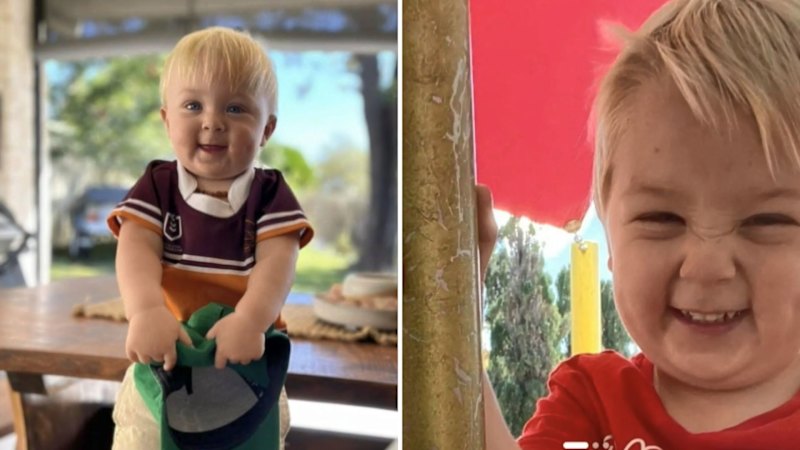
My oldest grandson, Pip, has just started school. His parents gave him a $2 coin so that he could buy an ice-block at the canteen. He came home excited. He handed over the $2 coin at the canteen, and they gave him the ice-block – plus more coins! One coin in, three coins in return. Plus the ice-block. What a system.
“If you ever need money,” he said to his parents, “just ask me. I know where to get it.”
Pip’s experience made me feel nostalgic about money – coins and notes. Cash, as we all know, is on borrowed time. Already some shops won’t accept it. In places like Sweden, it’s become a rarity. And yet there’s something magical about the stuff.
For a start, there are the oddities of the system. Why is the $1 coin bigger than the $2 coin? It makes no sense. Why is the 20-cent coin, and the 50-cent coin, bigger still, although they’re worth less? No wonder Pip decided he was on a good wicket. At the school canteen, according to this system, if you hand them an ice-block, they’ll give you four in return.
Then – adding to the allure - are the designs. There’s the platypus dancing through swirling waters on the 20-cent coin; the feather-boa lyrebird on the 10-cent; the timid echidna looking up nervously from within the protective circle of the 5-cent coin.
But that’s only the start of the magic. Is there any moment sweeter than finding a $20 note in an old pair of jeans? It’s money you earned years ago, but suddenly it hands itself over. How will you spend it? A coffee and cake? A bottle of wine? Whatever treat gets the nod, this is free money – a gift from the hardworking you of yesterday, to the pleasure-seeking you of today. Try that with a credit card.
A world without cash is a world in which there’s a record of everything.
I understand the convenience of a card, waved at a tap-and-go receiver. I also understand that limiting cash may help put a brake on the black economy. And that if all your spending is on a card, you can analyse where your money is going – should you really want to know the true price of your coffee addiction.
All the same, could we sing the praises of cash before it disappears?
When I first started work, we were all paid in cash – in our case, once a fortnight. You queued in front of a grilled slot on the eighth floor of the building. The pay would come in a long brown envelope, mostly notes, but with a few coins adding heft. This literal pay packet gave you a handy sense of the value of money. You’d just worked your guts out for a fortnight, and the result was this handful of cash. You could see the sweat in it. You knew it had to last a fortnight.
They say cash can burn a hole in your pocket, but I found it quite sticky. When I handed over a $10 note, it felt like I was handing over two or three hours’ work. Whatever I was buying better be worth the effort of earning it. Also, no one charged you a transaction fee as the price of accepting your business.
We’re all now paid by digital transfer. The money comes and goes. It’s harder to see the sweat in it.
There are many theories about Australia’s persistent inflation. Low productivity, perhaps, or too much government spending. The result, according to the economists, is overheated demand that is outstripping supply. I’d like to add another theory: it’s the absence of cash. I wave my credit card in the direction of the receiver, and only as I walk away do I realise I’ve just spent $22 on a sandwich and drink. If, instead, I’d been forced to stand there, counting out the cash, it might cause me to rapidly “reduce the amount of demand in the economy”. Forget the drink, I’ll just have water.
How will new arrivals to Australia – refugees, for example – cope in a place where you need to establish a bank account before you can buy food or clothes? How, in a world without cash, do couples with joint bank accounts, or shared credit cards, engineer a little privacy? Whether it’s the purchase of a secret birthday present for the “other half”, or, more nefariously, the occasional packet of cigarettes – purchased by the person who “gave up smoking” years ago. It will be right there on the bank statement, under the name “Smokers Paradise”. A world without cash is a world in which there’s a record of everything.
Even as it disappears, cash still brings me small moments of joy. When I empty my pockets at night, I throw the coins into what I call my Man Jar. It may only be 30 or 40 cents each day, but it builds up. Suddenly, there’s $40 in there, the world’s easiest savings program.
My latest plan is to locate all the $2 coins in the Man Jar and hand them over to Pip. With the help of the school canteen, he might create a family fortune.
Get a weekly wrap of views that will challenge, champion and inform your own. Sign up for our Opinion newsletter.