3 months ago
39
3 months ago
39
I don’t want a reference from my terrible boss. What do I tell hirers?
I recently left my job after my team leader went out of their way to sabotage my career by not including me in important meetings with clients, refusing to train me, claiming credit for my work and giving me a negative performance review before putting me on a performance management plan that had immeasurable goals.
As I do not trust my team leader to give me a good reference, how do I explain this to a potential employer? And how do I explain why I left without badmouthing my ex-employer?
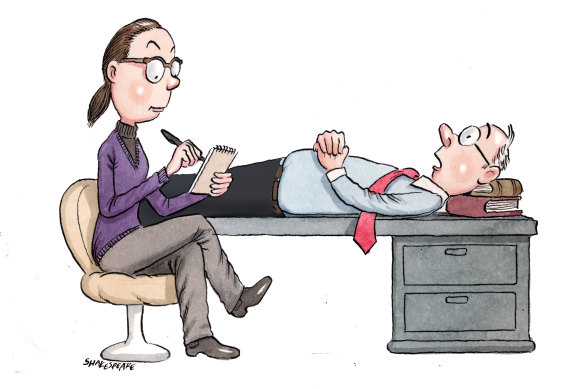
While your heart might want to “badmouth”, try to let your head take control and coolly explain.Credit: John Shakespeare
Sorry to hear you had such a horrible experience in your last job. Leading people is a difficult thing to do, but what you’ve described sounds like the actions of someone who wasn’t even trying to be a decent manager.
People at work don’t have to be best friends to work well together, but they do need to show a little bit of mutual respect – or, at the very minimum, courtesy. That doesn’t seem like it was the case here. It makes sense to me that you wouldn’t trust your team leader to provide you with a fair reference.
I think there are a few ways you might approach this, but my overarching advice is don’t tangle yourself up in convoluted evasions. Rather than spending your time and effort second-guessing what a prospective hiring panel will want to hear, spend it on sound, straightforward and honest explanations about why your last job didn’t go the way you wanted.
Having said that, you may want to modify your approach depending on what questions you’re asked during an interview.
You might be looking back at your last job with pure dejection. But is there a chance there are some unexpected gems to be salvaged?
When it comes to the pointy end of a recruitment process, some, although certainly not all, hiring managers will ask why you left your previous job. If this happens, my advice would be to answer truthfully but tactfully.
You can admit the previous workplace wasn’t for you without being explicitly critical of your ex-team leader. At the same time, you don’t need to mention that you were given poor performance reviews or that you were performance managed.
If the panel persists, and asks for more details, or even wants to know why you didn’t include a referee from your former job in your application, I think you can go one of two ways.
Loading
The first is to steer the conversation away from your bad experience and towards better jobs you’ve had. You might say that you didn’t get the chance, or the time, to do your best work in your last role and wanted to provide referees who knew you and your skills better.
The second is to consider opening up a little bit more about what happened at the last job. If you take this route, make sure you keep any negative comments measured. As I mentioned earlier, there’s little point anticipating what a panel wants to hear.
They may, for example, have little interest in the particulars of why you left; instead, their question might be a way of assessing how you respond to demanding situations or difficult people. Are you discrete and composed or do you have a tendency to blow up and then unload?
While your heart might want to “badmouth”, try to let your head take control and coolly explain why the last item in your job history isn’t an exemplar of your career to date.
If your prospective employer doesn’t ask, you have no obligation to tell. Unless you have a very particular reason why (I’ve mentioned one below), you can keep this unpleasant experience to yourself and concentrate instead on talking about work you’ve enjoyed and excelled in. Remember, a prospective employer can only contact a referee with your explicit consent.
One final thought: currently, you might be looking back at your last job with pure dejection. But is there a chance there are some unexpected gems to be salvaged from the dreck?
“How did you manage a challenge involving X, Y or Z” is an often-asked question in job interviews, and it sounds like you faced numerous challenges as you dealt with your previous boss. You don’t necessarily need to mention the organisation by name but you can use instances of when your team leader threw an obstacle in your path as examples of how you solve or surmount problems.
I hope some of this advice might help you find a new job that is much more agreeable than your last one.
Most Viewed in Business
Loading