3 months ago
22
3 months ago
22

February 23, 2026 — 12:00pm
The opposition has called the government “hypocritical” for opposing Donald Trump’s tariff regime at the same time as Labor considers its own climate-based import charges on materials like fertiliser, cement and steel coming to Australia from high-pollution countries.
Australia’s consideration of a long-awaited carbon tariff report, which was received by the government last year but released on February 13 as the federal opposition toppled its leader, coincides awkwardly with the US’ snap imposition of a 15 per cent global tariff on imports.
A carbon tariff regime would also be a significant shift in Labor’s reform legacy from the 1980s, when the Hawke government championed reforms to remove import protections, deregulate the economy and expose Australia to international competition.
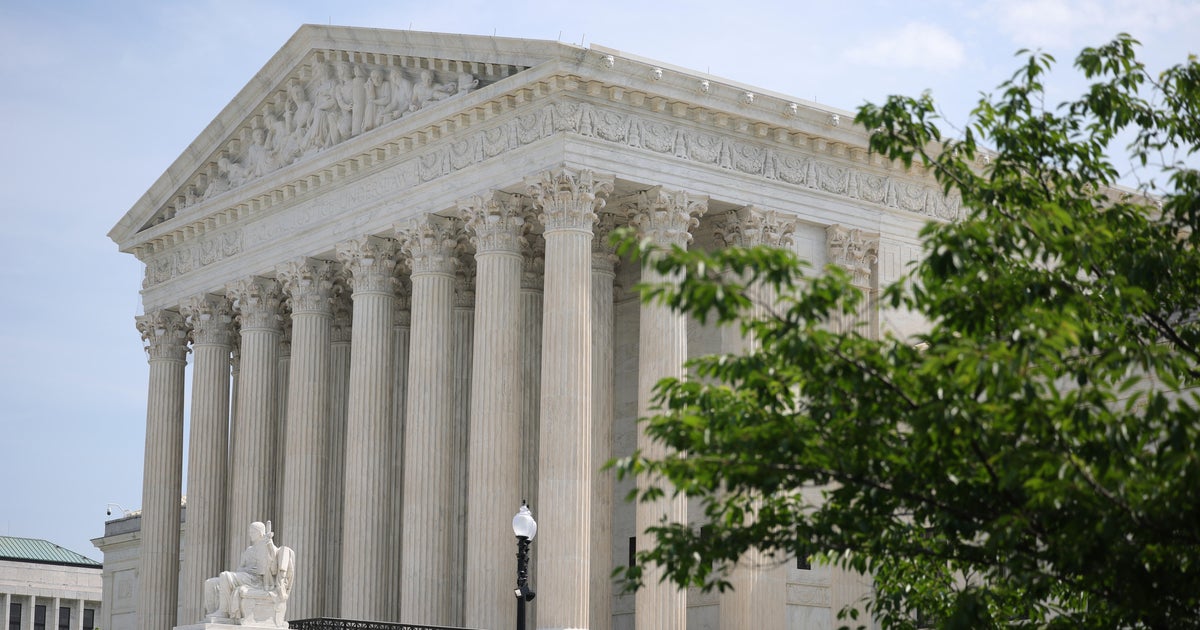
Trade Minister Don Farrell is lobbying the US administration at present for an exemption from Trump’s global 15 per cent tariffs on all imports to the US, announced after the US Supreme Court ruled on Friday that the president’s reciprocal tariffs were unlawful.
“Australia believes in free and fair trade,” Farrell said on Sunday. “We have consistently advocated against these unjustified tariffs.”
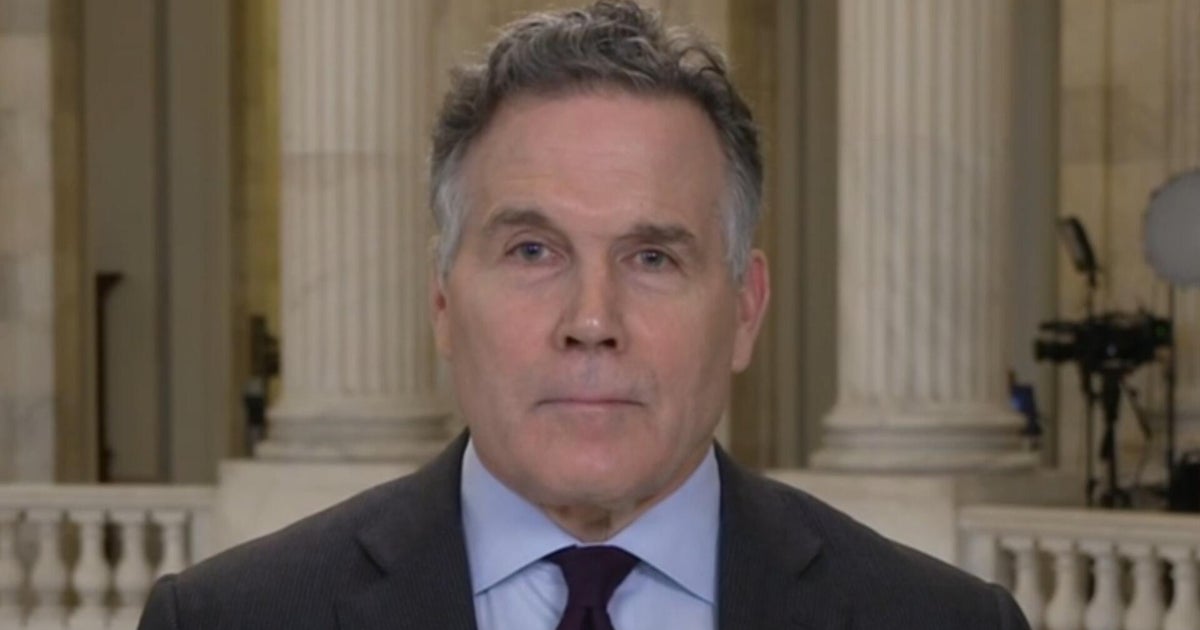
Nationals leader David Littleproud said it was “hypocritical” for the government to lobby the US for an exemption while it had declined to rule out its own tariff regime.
“Hypocritically, our government is looking to impose tariffs on carbon-intensive imports into the country in the next year or so, which would push up prices for consumers here from building right through to your food,” Littleproud told ABC radio on Monday.
Manufacturing industry leaders have backed the safeguard mechanism and the introduction of carbon tariffs, including the Australian Industry Group and fertiliser and explosives manufacturer Orica.
Australia’s ambitious climate policies are pushing up the cost of manufacturing and risk driving the production of cement, steel, iron and aluminium to countries with weaker goals and lower costs of production, a recent government review found.
It said cross-border carbon tariffs on imports may be needed in the medium to long term to shield local businesses from overseas competitors that impose weaker emissions restrictions on businesses.
It is understood that the government has not decided if it will accept or reject the recommendation for a carbon charge. If it did, the scheme would be designed to equalise the cost of emissions reductions between local and international industries, not as a revenue-raising mechanism.
Climate Change and Energy Minister Chris Bowen rejected the characterisation of a “carbon border adjustment” as a tariff, pointing to the report’s findings that any price rises for consumers would be “vanishingly small”.
“Our approach will always support Australian industry, protect Australian consumers and maintain our longstanding commitment to free and fair trade – because that is in our national interest,” Bowen said.
“The Coalition might want to bury their heads in the sand and let the world move without Australia – but we want to ensure we’ve got a plan to respond to the changing global economy that prioritises Australian businesses and workers.”
The Albanese government imposed Australia’s first-ever binding pollution limits on the 215 major polluters in 2023, requiring them to invest in new technology or carbon offsets to cut their greenhouse gas output by 5 per cent a year until 2030.
The targets are considered critical for Australia to meet its commitment under the Paris Agreement to cut emissions at least 62 per cent by 2035.
Opposition trade spokesman Kevin Hogan said the government’s climate policies are reversing Australia’s economic reforms.
“We’re going down a higher taxing, higher tariff route that we haven’t done as a country since we started dismantling this in the 1980s,” Hogan said.
“Higher taxes, higher tariffs, are taking Australia back to a place it hasn’t been for many decades.”
Cut through the noise of federal politics with news, views and expert analysis. Subscribers can sign up to our weekly Inside Politics newsletter.