1 month ago
16
1 month ago
16
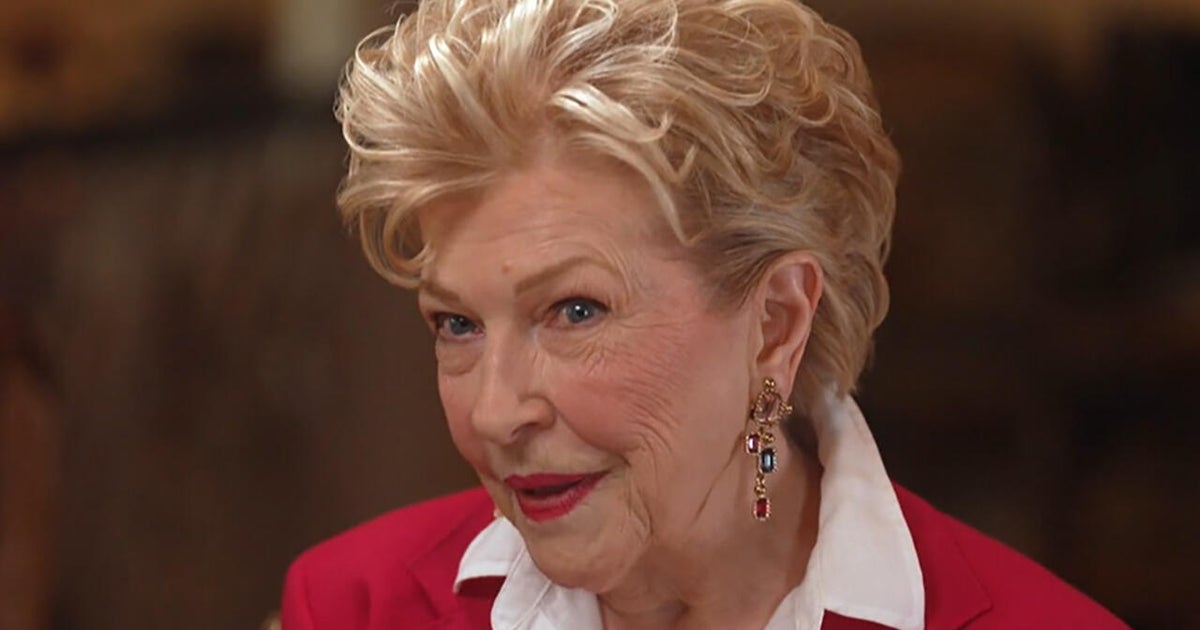
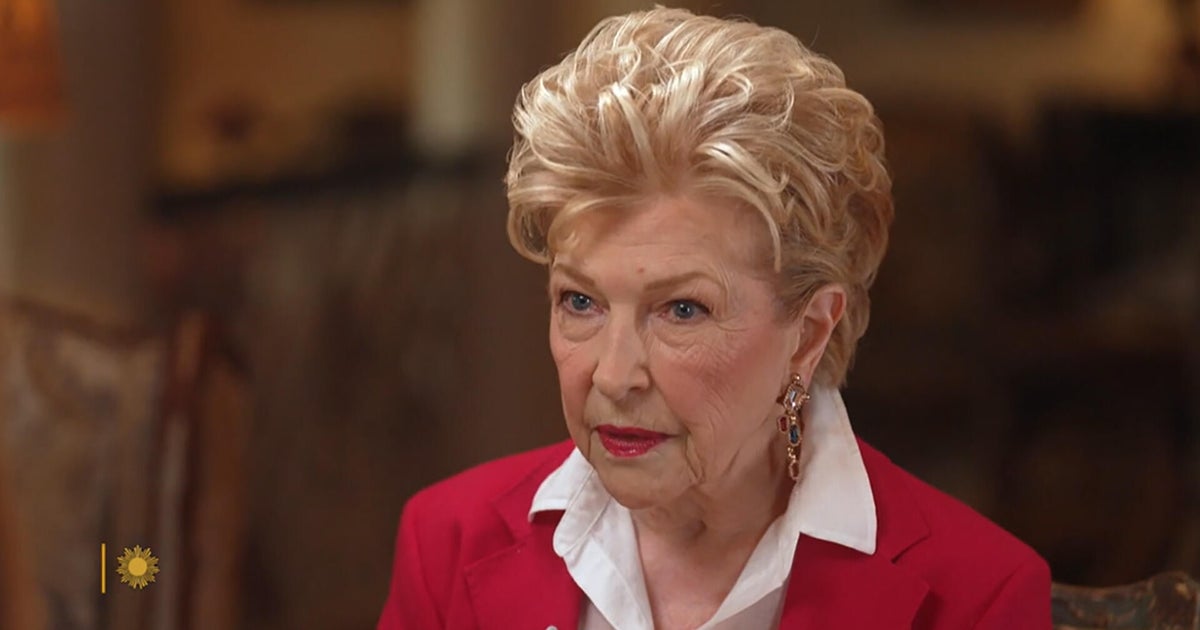
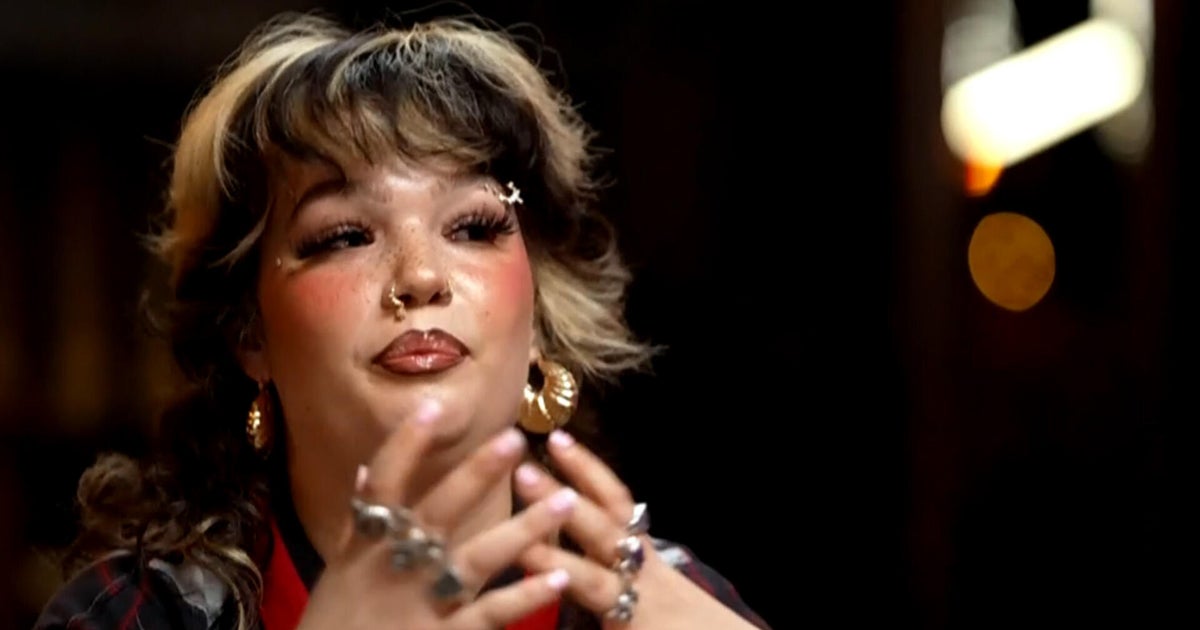
Jacqui Williams speaks comfortably about a subject most people recoil from.
“Death is done really poorly in mainstream Western society,” says the Brisbane bayside local. “Our aim as a collective is to make people more death knowledgeable and literate, but also more death comfortable.”
Williams is an end-of-life – or death – doula, a role that provides emotional, psychological and spiritual support to people towards the end of their life. It’s a reversal of the birth doula, guiding dying people and their families towards their final moments.
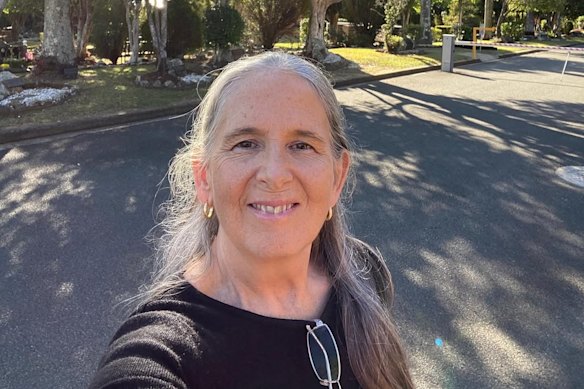
Former nurse and palliative care worker Jacqui Williams started her end-of-life doula business seven years ago.
“Part of the doula role is to encourage people to build or reclaim the skills and knowledge that we had 120 odd years ago, before technology and medicalisation stopped us being present for our people when they’re dying,” she says.
“How a person dies is etched into our hearts and minds forever, so we need to try to empower people to think about what dying well looks like for them.”
From saving people to helping them die
Williams is the distillation of what you might imagine a death doula to be: warm and personable, calm but assertive.
“I can, through language and conversation, get to some very deep conversations very quickly with people,” she says.
“I have to build rapport because sometimes I’m only there [seeing someone who is dying] for one visit.”
These are skills Williams has developed over her 45-year career in health.
Loading
“I started nursing young when I was 18. In 1980 was my first exposure to a person dying.”
It was an elderly woman who Williams still remembers “clear as day”.
“As she was actively dying and when she became unresponsive, she had frown lines on her face and looked uncomfortable.
“Then when she died, she looked extraordinarily peaceful, like a young woman.”
In 2017, Williams suffered enormous personal loss. Six people in her life, including her mum, died. It was the catalyst for her to leave nursing and become a doula.
“Some were expected – they had metastatic cancer – and other people like my mum who had a catastrophic stroke, and two of my mates [who died in cycling incidents], were unexpected.”
Throughout those losses, she found herself sitting with friends and family members, guiding them through the dying and grief process.
“That’s all doulaing ... I said to my partner Neil, ‘I think this is what I’m meant to be doing.’”
The role of a doula
Williams first heard the term “death doula” in 2016, when she enrolled in a Deathwalker Training course run by Zenith Virago, who she describes as a trailblazer.
“She doesn’t like calling herself a ‘doula’ because the word doula comes from Greek origins which means slave,” Williams says.
“But in the modern iteration, we’re changing it up to say it’s a person who serves.
“If you think of early diagnosis, advanced, active dying, after death care, ceremonial, bereavement, it can be a real continuum … that’s why we tend to use end-of-life doula.”
Williams says her role is strictly non-clinical and support-focused, and often fills in gaps left by the health system.
“It’s a myth that health professionals are good at having conversations about end of life. While some are, the majority are uncomfortable.
“They’re also time poor, and they’re restricted by policies, processes, funding and time constraints … they don’t have the capacity to sit with a person in residential aged care or the hospital and have deep conversations. That’s where the doula comes in.”
‘Jacqui Dying Dead’
After her mother died, Williams washed her with lavender water and dressed her in her “daggy flannelette pyjamas … which I know she loved”.
“I made her presentable in bed and put her flower, a sunflower, near her,” she adds.
Loading
When Williams dies, she wants a direct cremation with no ceremony, and for her ashes to be scattered into the ocean where her parents were.
Her other wish involves two playlists – one called “Jacqui’s Living Wake”, the other “Jacqui Dying Dead”.
“I have a chronic condition that started when I was 39.
“If I have an expected death, and I know that I’m deteriorating, I’m going to have a celebration of life – a living funeral. I’ve got nearly 267 songs on my living wake playlist that I want played.
“If I die an unexpected death, as I’m closer to actively dying … there are only five songs that I want played when Jacqui’s dying, or Jacqui’s dead.”
She doesn’t find this a morbid thought, rather a part of life she is willing to embrace, and hopes through her work, she can help others do the same.
“The term good death, we don’t really like. It’s called dying well. How can we support someone to die well on their terms?”
Start the day with a summary of the day’s most important and interesting stories, analysis and insights. Sign up for our Morning Edition newsletter.
Most Viewed in National
Loading