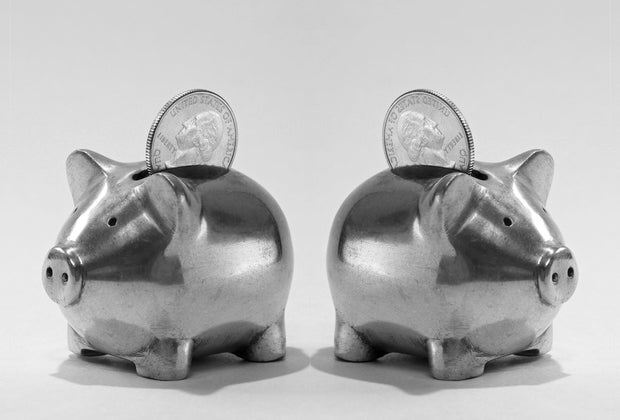
 Understanding the true value of 90% silver coins requires more than doing the math with the spot price.
Zen Rial/Getty Images
Understanding the true value of 90% silver coins requires more than doing the math with the spot price.
Zen Rial/Getty Images
The recent surge in precious metals markets has investors and collectors alike rifling through their coin collections with renewed interest. Silver prices have climbed dramatically over the last year, after all, with the spot price of silver hovering just under $80 per ounce right now (as of February 13, 2026) — a far cry from the $30-per-ounce price it was sitting at this time last year. This rally has transformed what many once considered numismatic curiosities into potentially valuable assets, particularly for those holding pre-1965 U.S. coinage.
Among the most sought-after items in this category are 90% silver quarters minted before the U.S. government switched to copper-nickel-clad coins in 1965. These silver coins, which circulated freely in everyday commerce, contain actual silver content that now commands substantial premiums over their face value. That means what was once pocket change has become a legitimate investment vehicle, particularly as economic uncertainty and inflation concerns continue to drive investors toward tangible assets.
Understanding the true value of these coins requires more than simply multiplying face value by current market prices, though. So, how much is a roll of 90% silver coins really worth today? That's what we'll examine below.
Find out how to add silver and gold to your portfolio now.
How much is a roll of 90% silver quarters worth today?
A standard roll of 90% silver quarters contains 40 coins with a face value of $10. Each pre-1965 quarter contains 0.18084 troy ounces of pure silver, meaning a full roll holds approximately 7.2336 troy ounces of the precious metal.
At today's silver spot price of $78.95 per troy ounce, the pure silver content in a roll is worth approximately $571. However, the actual market value of silver investments, including certain coins, typically exceeds this calculation due to premiums charged by dealers, which are typically between 3% and 10% but can vary depending on a range of factors, like market conditions, dealer inventory and transaction size.
This means you could pay a hefty amount above spot price when purchasing a roll from a dealer, while selling might net you closer to the spot value or slightly below, depending on the dealer's buy-back rates. The good news is that the condition of the coins matters less for these "junk silver" quarters (a term dealers use for common-date circulated coins valued primarily for silver content rather than numismatic rarity) than it would for collectible coins, though extremely worn pieces might command slightly lower premiums.
It's worth noting that this valuation represents a remarkable appreciation from the coins' $10 face value. This substantial gap between face value and metal value explains why these quarters disappeared from circulation decades ago, as people recognized that their intrinsic worth exceeded their spending power.
Start investing in precious metals like silver and gold today.
How to decide what precious metal investments are right
Coins like 90% silver quarters are one way to own physical precious metals, but they're not the only way — nor are they always the most efficient, depending on your goals. Precious metals investing encompasses everything from gold to platinum, palladium, and various forms of each metal and paper-based metal assets. And, determining the right approach for your portfolio depends on several key factors.
It makes sense to consider your investment timeline and liquidity needs first. Physical metals like silver quarters offer tangible assets you can hold, but selling them requires finding a reputable dealer or private buyer, which may take time and involve transaction costs. Precious metal ETFs and mining stocks, by contrast, offer quicker liquidity but lack the physical possession aspect some investors prefer during economic turmoil.
Your storage capacity and security concerns also matter in this decision-making process. A few rolls of silver quarters can be stored in a home safe, but larger precious metals holdings may require bank safe deposit boxes or professional vault storage, adding ongoing costs to your investment. Insurance considerations become increasingly important as holdings grow.
Think about diversification within your metals allocation as well. While silver offers affordability and industrial demand factors, gold provides different portfolio benefits as a traditional safe-haven asset. Some investors split their metals holdings across both, or include platinum and palladium for additional diversification. The ratio between different metals depends on your specific financial goals, risk tolerance and views on various market sectors.
Tax implications deserve attention, too. Physical precious metals are typically taxed as collectibles when sold, with potentially higher capital gains rates than stocks or bonds. Understanding these consequences before investing can help you make more informed decisions about position sizing and timing.
The bottom line
At current silver prices at just under $80 per ounce, a roll of 90% silver quarters contains approximately $571 worth of pure silver, though actual purchase prices include dealer premiums that can push the total to $600 or more. These coins represent one accessible entry point into precious metals investing, offering fractional silver holdings that can be liquidated in smaller increments than bars or larger bullion products. However, whether silver quarters or other precious metals belong in your portfolio is a decision you should make after fully weighing your broader financial objectives, risk tolerance and investment timeline.
Edited by Matt Richardson