3 months ago
20
3 months ago
20
Holidays are cheaper, thanks to the RBA. Here’s why
Opinion
December 24, 2025 — 5.00am
December 24, 2025 — 5.00am
If you’re reading this from an overseas destination – or planning to jet overseas these holidays – kudos, first of all, for keeping up with the news over the festive season.
If you’re among the more than one in three Australians with a mortgage, the past few months may have felt disappointing as the Reserve Bank refused to provide further relief after three rate cuts earlier in the year.

Credit: Illustration: Monique Westerman
In fact, RBA governor Michele Bullock might appear positively Grinch-like to borrowers after the bank’s last meeting when she made some of the clearest comments in her time as boss – that interest rates would probably only go one of two ways (at least for several months into the new year): up or sideways.
Those struggling under the weight of mortgage repayments may feel they’ve been served coal. And those with relatives or friends overseas might find there’s a little less appetite for their loved ones to visit Australia.
My Japanese uncle told me last week that while he’d love to visit me in Australia, he would have to wait until the yen was stronger against the Australian dollar because otherwise it would be too expensive to travel here.
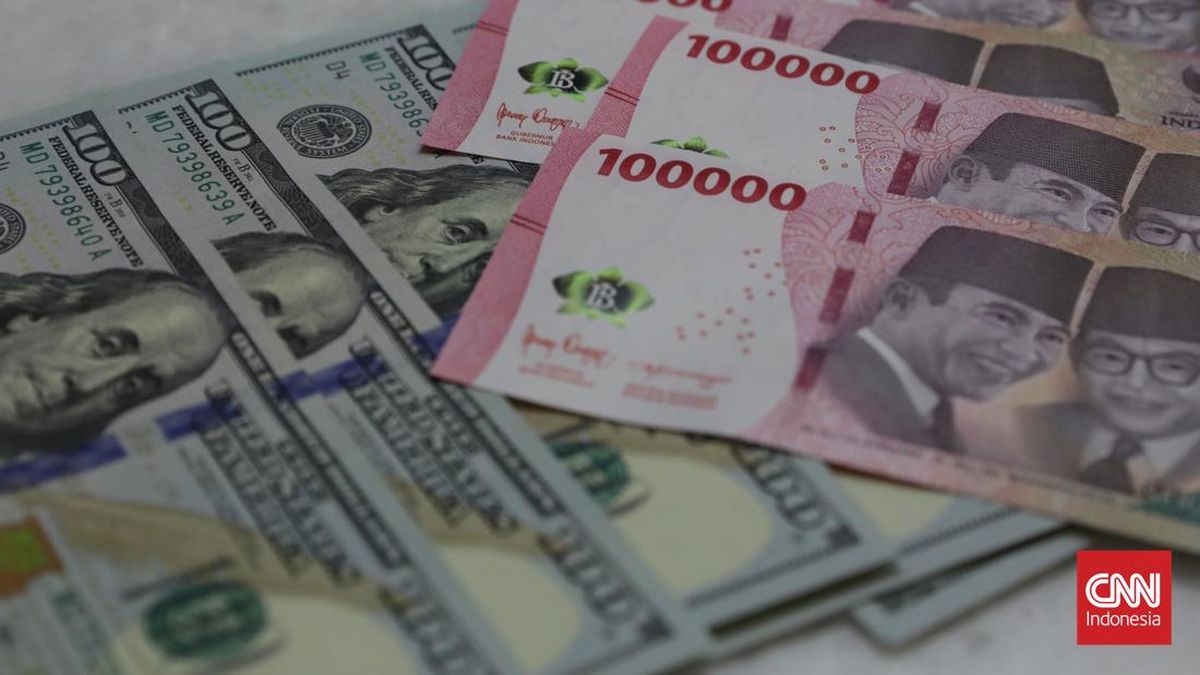
While most people, including the media, tend to focus on how interest rates affect borrowers, the Reserve Bank’s actions also flow through the economy in other ways. Interest rates also affect exchange rates: how much the Australian dollar is worth compared to other currencies.
When the Reserve Bank lifts interest rates (with everything else staying the same: a condition economists call “ceteris paribus”), it means Australian interest rates rise compared with interest rates in the rest of the world.
When this happens, demand from investors for Australian dollars tends to climb. That’s because these investors know they’ll get more of a return – or bang for their buck – from buying Australian assets such as bonds (essentially loaning money to the Australian government or a business and getting paid higher interest) compared to investing in other countries’ assets.
As we know, the value of something (including currency) is determined by both demand and supply.
When foreign investors look to buy more Australian assets, they need more Australian dollars to pay for them. That means push up demand for Australian dollars and therefore its value.
As both Australian and foreign investors become more eager to cling onto Australian assets, less money flows out of Australia. That means the supply of Australian dollars shrinks and becomes more scarce, also pushing up its value compared to overseas currencies.
The value of our currency is also influenced by what investors expect to happen to our interest rates compared to those overseas (what’s known as the “interest rate differential”). If they expect Australian interest rates to sit relatively higher than those overseas, investors are likely to demand more Aussie dollars and push up its value – and vice versa.
This is partly why the value of the Australian dollar compared to the US dollar, for example, has grown over the past few months.
Interest rates in the US have fallen 0.75 percentage points since the beginning of the year, landing between 3.5 per cent and 3.75 per cent in December (not hugely different to our interest rates, which have fallen by the same amount and ended the year at 3.6 per cent).
But it’s the contrasting expectations about the direction our interest rates are heading that have led the Australian dollar to climb in value against the US dollar, with one Australian dollar worth about US62¢ in January compared to about US66¢ this month.
While Jerome Powell, the boss of the US central bank (the Federal Reserve) said at the bank’s final press conference of the year that the next interest rate move is “unlikely” to be a hike, Bullock made it clear at her final press conference of the year that here in Australia, a hike is much more likely than a cut going into the new year.
It’s not just the US dollar that the Australian dollar is rising in value against. The trade weighted index (TWI) – a measure of the value of the Australian dollar against a wider range of foreign currencies – is also trending higher.
This helps to push down our inflation pressures in two ways.
First, there’s a drop in Australian exports (overseas buyers demand less of our products when they are relatively more expensive) and therefore a fall in our economic activity. That’s not great for Australian businesses that heavily rely on exporting, but it does reduce scarcities in workers, resources and goods across our economy, resulting in lower inflation.
Second, many imported goods (including cars, electronics, and refined fuels such as petrol) become cheaper because the Australian dollar is worth more and can buy more of these overseas goods.
Loading
Another upside of higher exchange rates (partly thanks to higher Australian interest rates) is that imported services – such as overseas travel – also become cheaper. Aussies going on holiday overseas right now are probably having a pretty good time. Most will find their hard-earned Australian dollars are going a little further than they were a few months ago, meaning perhaps a few extra nice dinners or a hotel upgrade might be on their cards.
The RBA’s reluctance to cut rates is undoubtedly hurting some – especially big borrowers, Aussie businesses relying on exports and international tourists hoping to visit Australia.
But the bank’s decisions (and the way they shape our expectations) also flow through to us in other ways, some of which make our lives less costly.
My uncle may not be keen to visit me anytime soon, but if Bullock keeps interest rates high and the Aussie dollar remains strong, it may just be the excuse I need to book another Japan trip.
Millie Muroi is economics writer.
Most Viewed in National
Loading