3 months ago
26
3 months ago
26
Heavier smoke is set to blanket the state on Sunday but changing winds could spare Melbourne from the worst of it, after most Victorians experienced poor air quality caused by the devastating bushfire disaster.
Victorian Chief Health Officer Dr Caroline McElnay said there had already been a rise in hospital presentations by people with asthma-like symptoms as the Environment Protection Authority (EPA) rated air quality across most of the state as “poor” on Saturday.
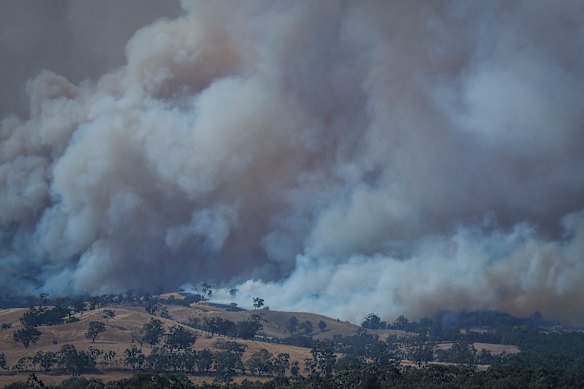
Smoke from the fierce blaze in the Yea area travelled long distances.Credit: Eddie Jim
“We’ve seen a slight increase in asthma-like presentations to hospitals across Victoria over the past few days and we remain cautious given how quickly the situation can change,” McElnay said.
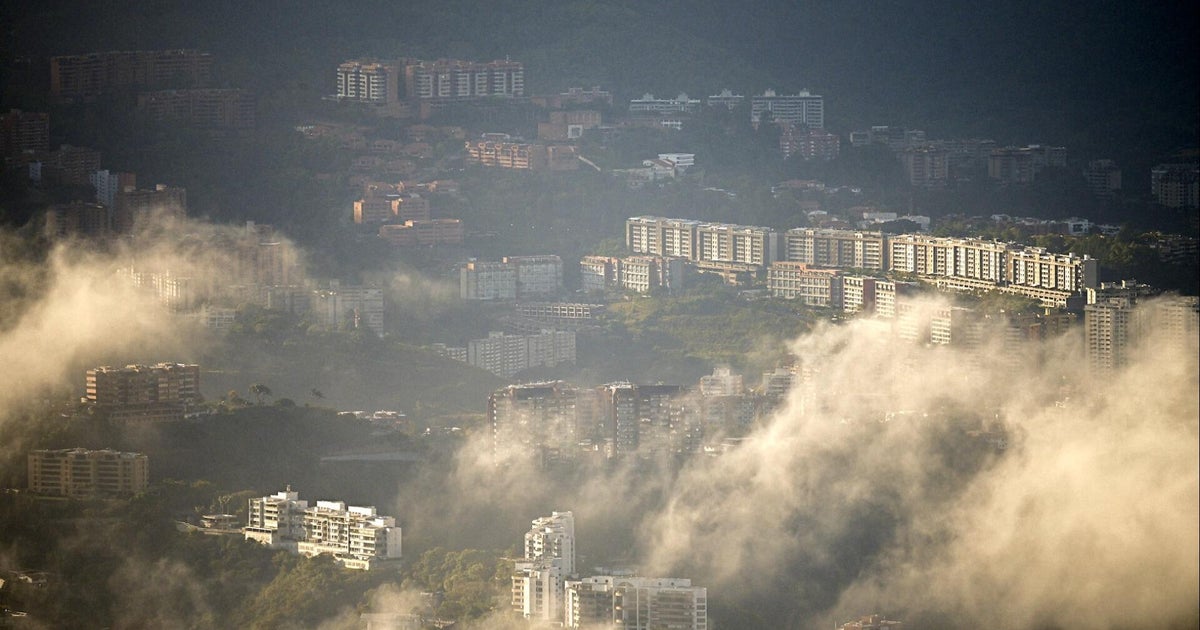
More than 30 active blazes on Saturday produced a blanket of smoke across all Victorian regions other than Central – including the Melbourne and Geelong areas – and the far south-west, producing conditions which could trigger potentially fatal asthma.
The EPA on Saturday rated air quality in the Mallee, Wimmera, Northern Country and North Central regions, plus all parts of Gippsland and the Latrobe Valley as “poor” due to bushfire smoke.
The Central region, including greater Melbourne, Port Phillip and Western Port bays, Ballarat, Daylesford, San Remo and Inverloch, remained “fair” on Saturday.
But weather bureau meteorologist Daniel Sherwin-Simpson warned that smoke would get heavier across the state on Sunday as a new high-pressure system arrived.
“[On Friday], we saw that low-pressure system which brought hot weather and windy conditions, but lifted smoke up into the atmosphere, so it hasn’t been too bad over the city,” he said.
“As we move into Sunday, though, we’re going to see a broad high-pressure ridge move across the state.”
The ridge would bring more settled weather, Sherwin-Simpson said, but that could trap the smoke: “We could see it carry a bit further across the state, and pool through valleys.”
As residents of the small town of Harcourt, in central Victoria, returned to find their homes razed, Melbourne residents from Reservoir to Croydon and the CBD reported ash coming into their homes on Saturday.
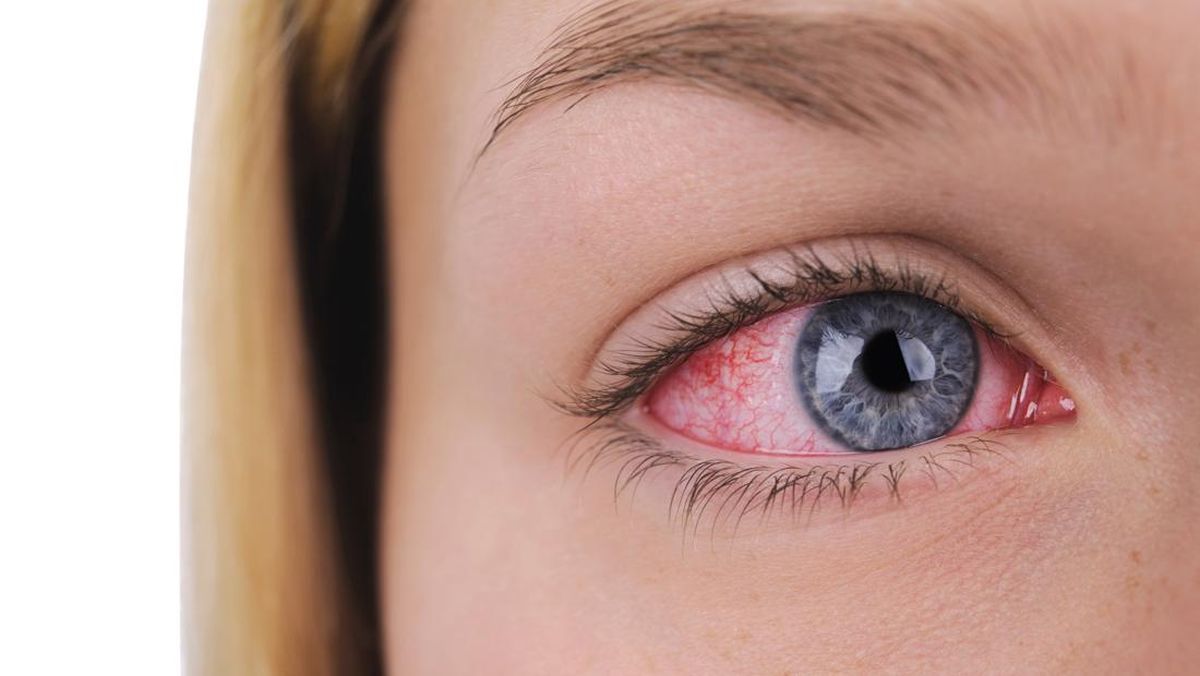
The poor air quality in about two-thirds of the state prompted Asthma Australia to warn more than 700,000 Victorians living with the respiratory condition that even low-level bushfire smoke inhalation could be life-threatening.
It advised the 11 per cent of Victorians living with asthma that airborne material in the smoke could be toxic to them, and to follow safety precautions including using air filters or masks.
Loading
“The fine particle pollutants in smoke get deep into the lungs and inflame and narrow the airways, making it difficult to breathe,” said Kate Miranda, Asthma Australia chief executive.
“We urge people in Victoria to minimise their exposure to smoke if it becomes an issue, stay tuned to symptoms and seek medical care in an emergency.”
Smoke from the Victorian fires had already reached New Zealand on Saturday, said Sherwin-Simpson, while back in Victoria light rain brought dust lower into the atmosphere, also potentially affecting air quality.
Jen Martin, chief environmental scientist with EPA Victoria, said on Saturday afternoon that bushfire smoke was still affecting air quality in many areas but the forecast for Melbourne in the next few days was good to fair as westerly and southerly winds prevailed.
But Sherwin-Simpson later added that the Bureau of Meteorology was expecting a south-westerly wind would send more smoke across Melbourne on Saturday night from the worsening fires in the Otways.
“It’s a bit of a wait and see, but it looks like that fire is going to be going for quite a while. It’s got plenty of fuel to run into,” he said.
Dr Martin said weather conditions could change quickly, so she encouraged people to keep up to date with air quality conditions: “If you can smell smoke, take the necessary precautions to protect your health.”
Dr McElnay urged people to monitor EPA air quality information and said that if they were concerned about their breathing, other than in an emergency, they could use the Victorian Virtual Emergency Department or Nurse on Call. If reliever medication was not working, she said to call Triple Zero (000).
Start the day with a summary of the day’s most important and interesting stories, analysis and insights. Sign up for our Morning Edition newsletter.
Most Viewed in National
Loading