1 month ago
16
1 month ago
16
Bees are known for batting well above their weight when it comes to supporting human wellbeing. We can thank these hardworking pollinators for helping to sustain our food supply, maintain biodiversity, and produce ingredients used in skincare and medicine.
Now, it seems they may also hold the key to our emotional wellness, as a growing number of people are discovering that caring for bees is a powerful way to nurture their inner calm.
While specific beekeeping studies on mental health are still emerging, psychologist Taash Balakas says the skills involved in caring for bees such as attention restoration, gentle physical movement, and sensory grounding align strongly with what is already known to work well for mental health.
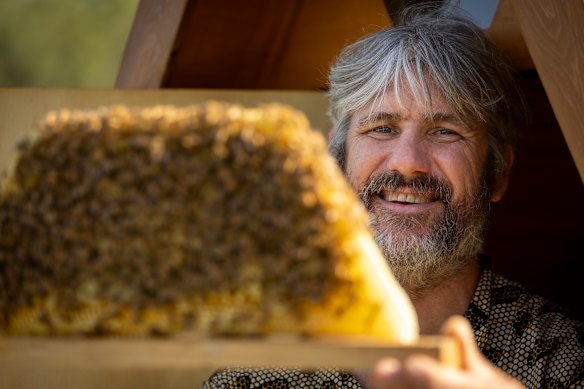
Willow Hankinson first noticed the mental health benefits when he started keeping beehives 26 years ago.Credit: Danielle Smith
“What makes it so fascinating is that it’s a blend of science and soul,” says Balakas. “We know from environmental and occupational psychology that engaging in structured, purposeful outdoor activities can lower stress hormones and improve mood regulation.
“Time spent in nature, combined with caring for another living thing, boosts wellbeing.”
The therapeutic buzz around beekeeping has been gathering momentum in high-profile circles. Meghan, the Duchess of Sussex, has said tending to her beehives helps her stay in the moment. Meanwhile, her sister-in-law, Catherine, the Princess of Wales, shares her love of the hobby with her brother James Middleton, who has spoken candidly about his mental health struggles and describes time spent with his bees as a form of meditation.
David Beckham is another convert. He took up beekeeping as a shared activity with his sons during the COVID lockdowns and has talked of its positive, calming effects.
Research into the mental wellbeing impact of being connected to bees is also taking flight. A 2024 Irish study linked caring for bees with stress reduction, emotional regulation, social connectedness, and a sense of purpose, while a 2023 Italian study found it fosters positive emotions, psychological flow and feelings of amazement.
Beekeeper Willow Hankinson says this connection between bees and human wellbeing is far from new, with deep roots in Eastern Europe where the hive has long been embraced as a source of healing and calm.
“In Eastern Europe, apitherapy – the use of bee products for healing and wellbeing – is a prescribed treatment, particularly for things like respiratory disorders, insomnia, anxiety and depression,” says Hankinson.
Hankinson has experienced firsthand the emotional wellbeing benefits of caring for bees since getting his first hive more than 26 years ago.
“I began to feel a sense of fascination that soon turned into inspiration and excitement – emotions that helped lift me out of despair about the state of the world,” he says.
“Once I started teaching others how to care for bees, I saw that same spark of wonder in their eyes. Many also spoke about a deep sense of calm and presence they experienced while working with their bees.”
Taking inspiration from the ancient practice in Europe, Hankinson has started building bee healing huts that offer a restorative, sensory experience.
“The bee huts provide a means to safely experience an intimate and immersive encounter with honeybees,” he says. “They’re built directly above the hive and designed with ventilation portals that direct the warmth, scent and pheromones of the bees to the participant.
“There is a window where you can watch the bees flying in and out of the hive, building comb, tending their babies and making pollen and propolis.”
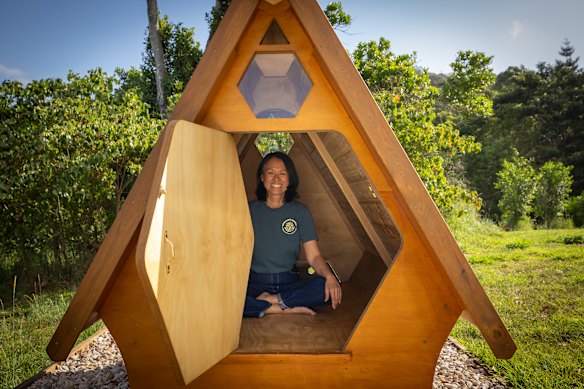
Bee healing huts provide a fully immersive experience where you can see, hear and smell the bees without touching them.Credit: Danielle Smith
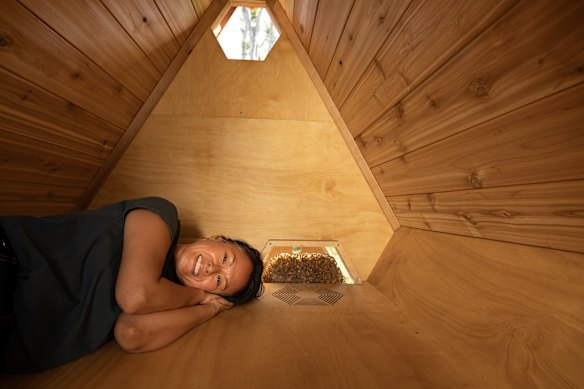
The huts include a viewing window so you can see the bees at work.Credit: Danielle Smith
Hankinson says the huts can be booked for overnight stays, but spending as little as 15 minutes inside can provide a meditative, relaxing experience.
“Even during short sessions many people fall asleep due to the soothing sounds and pheromones of the bees which activate the vagus nerve,” he says.
So what is it about being up close and personal to these tiny creatures as they go about their work that sparks feelings of contentment in humans?
Balakas believes it comes down to the unique combination of focus, purpose, and sensory immersion.
“Beekeeping feels like the perfect antidote to our overstimulated lives,” Balakas says.
“It’s slow, mindful, and rooted in nature. It can reduce stress by lowering cortisol and activating the parasympathetic nervous system – our body’s rest and restore mode. The meditative element comes from the combination of sensory immersion and calm focus.
Loading
“There’s also a huge sense of purpose and achievement — you’re literally helping pollinate the planet – and many beekeepers form strong communities, swapping tips or honey.
“That social connection is a powerful buffer against anxiety and burnout.”
Given mental health concerns were the most common reason for visiting a doctor, according to the Royal Australian College of GPs Health of the Nation 2025 report – up 10 per cent since the survey began in 2017 – Australians are clearly looking for ways to support their emotional wellbeing.
And with more Aussies turning to backyard beekeeping, particularly since the pandemic (recreational beekeeper registrations rose 69 per cent between 2019 and 2023), many are starting to realise the benefits extend well beyond homegrown honey.
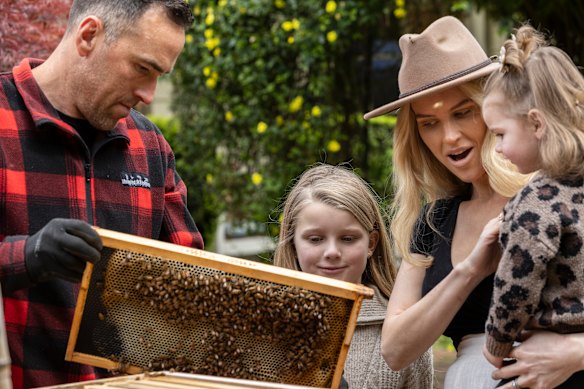
Heath and Sophie Decker keep beehives on their property in Melbourne.Credit: Jason South
For mum-of-four (soon to be five) Sophie Decker, what started as a family project in 2020 has evolved into a soothing daily ritual that nurtures both their family and the land.
Living on acreage on Melbourne’s outskirts, Decker and her husband, Heath, thought a backyard beehive would not only feed their kids’ love of honey and teach them about pollination, but also help care for the surrounding environment.
Loading
What she didn’t expect was just how grounding the experience would feel.
“Beekeeping has become more than just a hobby,” Decker says. “It’s a way for us to pause, reconnect with each other, and enjoy a slower pace of life.
“Bees work in perfect harmony, and there’s something humbling about being close to that rhythm. It’s also been a powerful learning tool for the kids — patience, respect for nature, and even courage.
She says being with the bees forces her to slow down and stay fully present.
“You can’t rush when you’re working with them,” she says. “It has a meditative quality, and it’s something we share as a family. The children love watching the bees work – it gives us all a sense of connection to nature.
“One of the things I enjoy most is simply sitting near the hive with a cup of tea, listening to the gentle hum of the bees. I always leave feeling calmer and clearer.”
Make the most of your health, relationships, fitness and nutrition with our Live Well newsletter. Get it in your inbox every Monday.
Most Viewed in Lifestyle
Loading