What to know about a possible government shutdown:
- Dozens of federal agencies are set to see their funding lapse at midnight despite a spending deal in the Senate, since the agreement to avoid a partial shutdown will need the approval of the House, which is not expected to return to Washington until Monday.
- On Thursday, Democratic senators reached a deal with the White House and Republican leaders to strip funding for the Department of Homeland Security from a package of six spending bills. The agreement will involve passing the remaining five bills and an extension of DHS funding at current levels for two more weeks to allow for talks over reforms to immigration enforcement.
- But the goal of quickly passing the plan hit a snag Thursday evening when GOP Sen. Lindsey Graham came out against it, calling it a "bad deal." Fast-tracking the legislation will require agreement from all senators. The chamber will return at 11 a.m. to resume consideration of the deal.
- Funding is almost certain to lapse at 12 a.m. Saturday, but the effects of a partial shutdown could be minimal if both chambers of Congress are able to finalize the deal within a few days. There is little appetite in Washington for a prolonged shutdown like the one that lasted 43 days last fall.
Graham on funding agreement: "This is a bad deal"
Late Thursday, Graham told reporters he was opposed to the agreement. After leaving a meeting in Senate Majority Leader John Thune's office, Graham pointed to heated criticism of federal immigration agents as Democrats push for changes to enforcement practices, saying: "I've never been more offended than I am right now of what's being said about these folks."
Graham's opposition could prevent Senate leadership from quickly moving forward through unanimous consent.
"This is a bad deal," Graham said.
Lawmakers left the Capitol without voting Thursday. Senate Minority Leader Chuck Schumer told reporters the bill was held up by Graham, saying Senate Republicans "need to get their act together."
Asked about Graham's concerns, Thune said: "I hope we can get these issues resolved. Right now, we've got snags on both sides, but tomorrow's another day."
Why a funding lapse likely won't lead to a prolonged shutdown
While funding will almost certainly lapse at midnight, the actual work of shutting down the government is a process that each relevant agency undertakes to determine what activities are essential, which workers will be furloughed and which will continue to work. The White House Office of Management and Budget coordinates each agency's procedures and tells them when they should begin implementing them.
That process typically wouldn't begin until Monday, and might not happen at all if the White House determines that funding is close to being approved. Lawmakers often intentionally craft funding bills to expire on Fridays to give themselves some breathing space to finalize a deal before the start of the work week.
If the Senate successfully passes its spending plan on Friday, the focus would then turn to the House. Speaker Mike Johnson has said that the chamber would approve it on Monday, and the president would sign it soon after, ending the funding lapse.
Trump backs spending deal, urges bipartisan support
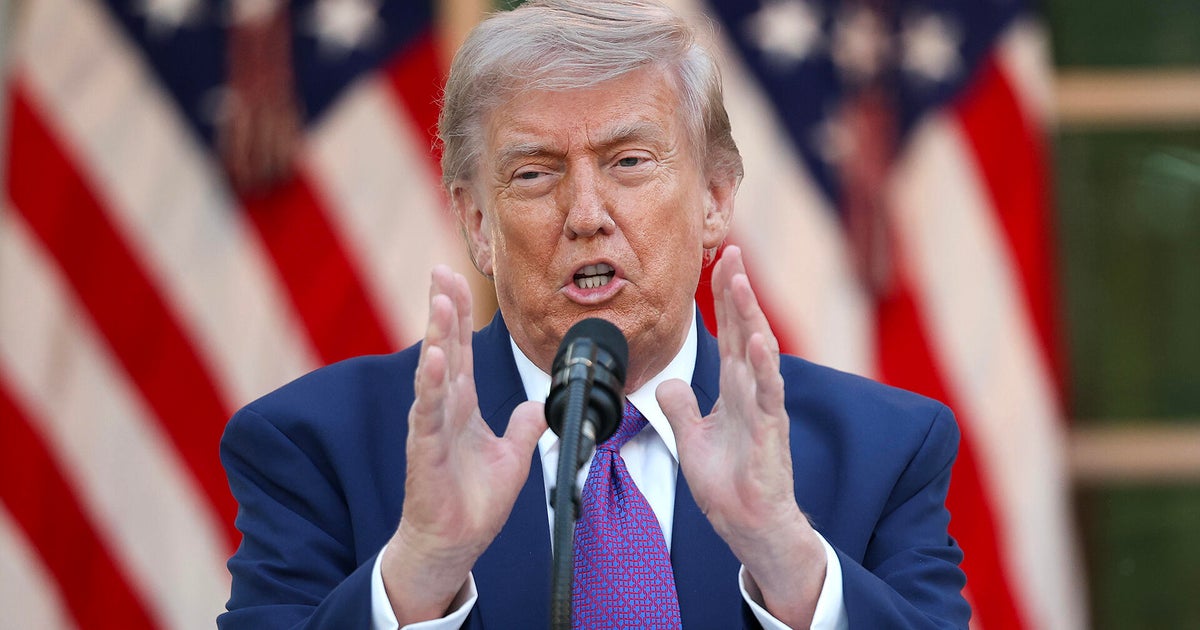
President Trump threw his support behind the deal with Democrats in a post on Truth Social on Thursday evening, urging members of both parties to support the agreement.
"The only thing that can slow our Country down is another long and damaging Government Shutdown," he wrote.
The president said: "Hopefully, both Republicans and Democrats will give a very much needed Bipartisan 'YES' Vote."