3 months ago
53
3 months ago
53
Together, just three operators have accounted for 15 major openings over the past 24 months. Independents are asking if we should be worried.

No one wants to turn into Sydney.
It usually takes all of 20 seconds for industry chat about Brisbane’s restaurant groups to bring up the NSW capital.
For years, Merivale has dominated Sydney’s hospitality scene, with more than 90 venues spread across that city (and now well beyond).
Totti’s, Fred’s, Bert’s, Mr. Wong. They’re all Merivale venues. And they’re all good – the company’s 30-year tear has helped revitalise once down-at-heel parts of town. But detractors have also called out Merivale’s capacity to crowd out independent competitors, and in more recent years the group has been beset by accusations it exploited workers and ignored claims of sexual harassment.
Why is Brisbane having this discussion right now? Because our own restaurant groups are beginning to have what’s perceived by some as an outsized influence on our food and beverage industry.
Restaurant reviews, news and the hottest openings served to your inbox.
Just three – Tassis, Anyday and Fanda – have, between them, opened 15 venues over the past 24 months (although two of Fanda’s were on the Gold Coast; more on this later), more than doubling the 12 that were already in their collective portfolios.
That’s on top of other groups with a notable presence in the city: St Albans (SK Steak & Oyster, Hellenika, Sushi Room, Sunshine), DAP & Co (The Gresham, Walter’s Steak House, the Naldham House precinct), Ghanem (Donna Chang, Blackbird, Byblos et al) and Barthelmess (Greca, Yoko), among others.
It’s a tricky situation to parse because a lot of what’s said off record no one wants to say on record. The food and beverage industry is relatively small. Folks know each other.
Also, there’s little ill will here – no one wants to see someone else fail. But if this feels like an almost existential conversation, it’s one that numerous sources told me we need to have.
One top inner-suburban restaurateur who has lost high-level staff to group operators says the rapid pace of openings from groups was warping the market for labour and commercial real estate.
“When you’re so big and have these huge aspirations for growth and everything’s going really well, sometimes it doesn’t matter if you pay an extra 30 or 40 per cent [salary] than you really should,” he told me on condition of anonymity.
“There’s a top-heavy recruiting phase, and then they eventually realise what the equilibrium of the restaurant looks like and they retrench. It’s a very disruptive period that almost feels like a spree.
“Using that Sydney example, you go into a Merivale restaurant and it’s very good, but it’s 90 per cent good. Not many other ‘proper’ cities in the world have such a monopolised hospitality offering.
“Advocates will say Totti’s is different to Mr. Wong, but you can feel when you’re in a Merivale restaurant.”
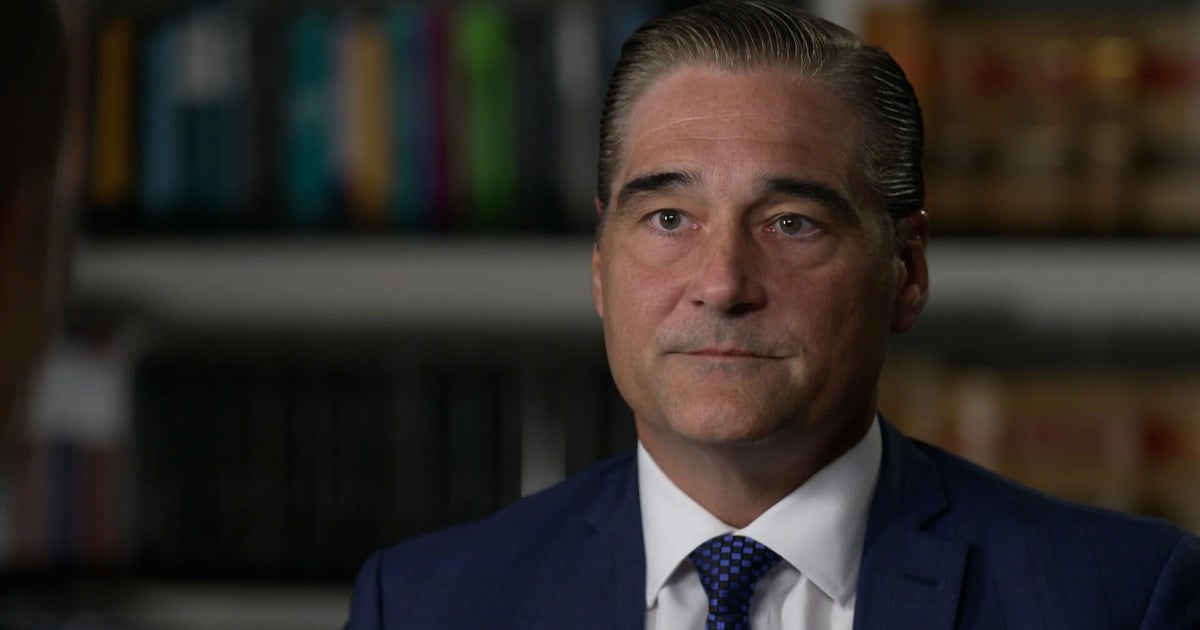
Venner, Milquetoast and Before + After owner George Curtis used to work for Anyday, so has seen both sides of the coin. He agrees that the city is at an inflection point, and that groups are starting to exert an outsized influence on the wider industry.
“There are a few things to consider,” he says. “I mentioned staffing because when big groups open multiple venues in a quick period of time, they’re needing to fill a lot of positions … you’ll find that a lot of people who work for those smaller venues are really tempted by the money that they can earn working for big groups.
“But what you’ll also find is they’ll go in, they’ll work for them for a short amount of time, and they’ll realise that they don’t have creative freedom and they’re not really seen, so they’ll come back to these small independent venues.
“They can ... get some creative freedom, and actually have some progression and one-on-one time with owners [and] managers.”
“Using that Sydney example … Not many other ‘proper’ cities in the world have such a monopolised hospitality offering.”
A top inner-suburban restaurateur, who spoke to this masthead on condition of anonymity.Beyond that, Curtis reckons a group’s advantage is mostly one of visibility.
“I just think that their reputations are obviously much greater than ours, rightly or wrongly. They … tend to make headlines more,” he says.
“They have a bigger impact on the industry and that obviously spreads out the density of the customer base. If multiple groups come along and open four or five venues in the city in a short space of time, that’s going to dilute the amount of people that’s going to come to those smaller venues.
“That’s something that we can’t really put a number on, but potentially we see the odd little pattern occur. When these venues open and of course they’re packed out from day one, our trade might drop a little bit for a month or so.”
Martin Boetz is in a unique position to watch the rise of group operators in Brisbane, having done the same in Sydney in the late ’90s and early 2000s when he owned and operated the era-defining Longrain in Surry Hills.
“I believe that I probably left Longrain at the right time [in 2013],” Boetz says. “This is no judgment on Chris Lucas or Chin Chin [of Melbourne-based restaurant group Lucas Collective], but I would’ve hated to have been right next door to Chin Chin [when it expanded to Sydney in 2017]. I felt like it was a bad choice for them to be right next to Longrain.
“That time was when Merivale was getting stuck into more places. If Longrain was still open today, it would be busy because it would have been a flow-on – you’d deal with all the punches, but I’m actually glad I never had to think that big.”
Boetz, though, is now dealing with the punches in Brisbane. In 2023 he opened the 60-seat Short Grain in the Stewart and Hemmant building in Fortitude Valley.
“There are a lot of restaurant groups in Brisbane and I find competing with them as a sole trader quite difficult,” he says. “Every restaurant deserves to be there. It’s just that larger groups have bigger buying power, and they have more money to spend on staff, and they can move staff around venue to venue when one isn’t busy, perhaps, which gives them a variety of cuisines to get experience in.
“Small restaurants are starting to die because of the big groups are taking over. Also, they’ve a lot more money to spend on fit-outs and people want that ‘wow!’ experience. But you can also do that on a minimum budget.”
That said, Boetz counts himself lucky for not yet having lost staff to the restaurant groups.
Lauren Smith, who co-owns neighbouring Italian restaurants Rosmarino and Etna with partner Andrea Gatti, says the familial culture of her venues helps retain staff.
“If I wanted to step up in my career I might need to go to a group. There are more or different management positions, and opportunity to move up the ranks.”
Rosmarino and Etna owner Lauren Smith.“We’re lucky because people opted not to move for a higher salary,” she says. “They stayed for a better environment.
“But if I wanted to step up in my career I might need to go to a group. There are more or different management positions, and opportunity to move up the ranks.”
Smith and Gatti would know, having previously held management positions in Simon Gloftis’ then STK Group. And they credit their time there with lending them the acumen to go on to open their own venues.
“[Gloftis is] good at getting the dynamics right,” Smith says. “He chooses his managers so well and they’re encouraged to take ownership in their roles.”
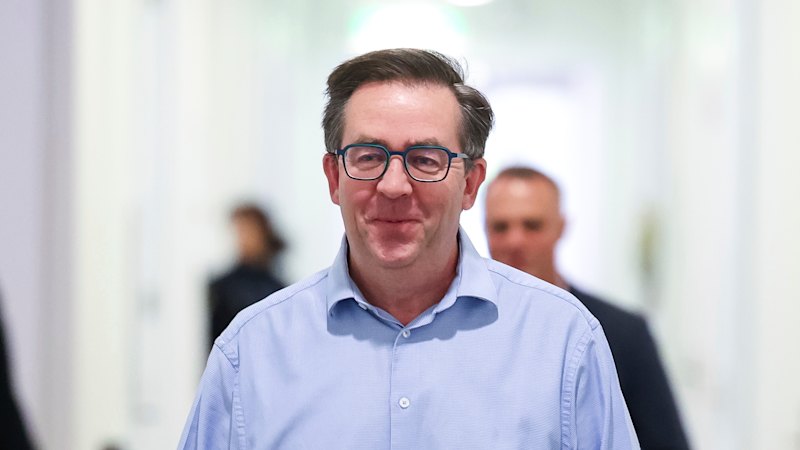
Andrew Baturo has a unique outlook on the local industry, owning his own restaurants – Tillerman, Libertine, Naga Thai – and also as a partner in DAP & Co, alongside Paul Piticco and Denis Sheahan, which operates Walter’s Steakhouse, The Gresham, Popolo and a clutch of venues at Naldham House.
Baturo is an industrious advocate for Brisbane hospitality, and says he finds it rewarding mentoring staff who then go on to open their own restaurant.
“I was once in that position and it’s hard and difficult, but for those who stick in there it’s incredibly rewarding,” he says.
Baturo reckons the rise of restaurant groups in Brisbane is a simple byproduct of a maturing food and beverage scene.
“I’m not sure I see groups as having too much influence on the industry,” Baturo says. “I see it as restaurateurs who are passionate about what they do wanting to do different things and challenging themselves.
“I look at Merivale or Chris Lucas or Australian Venue Co – I see those guys as big groups. We’re more of a bespoke group that’s really interested in doing stuff that challenges us. We trial and error concepts in a way that hopefully people like them.”
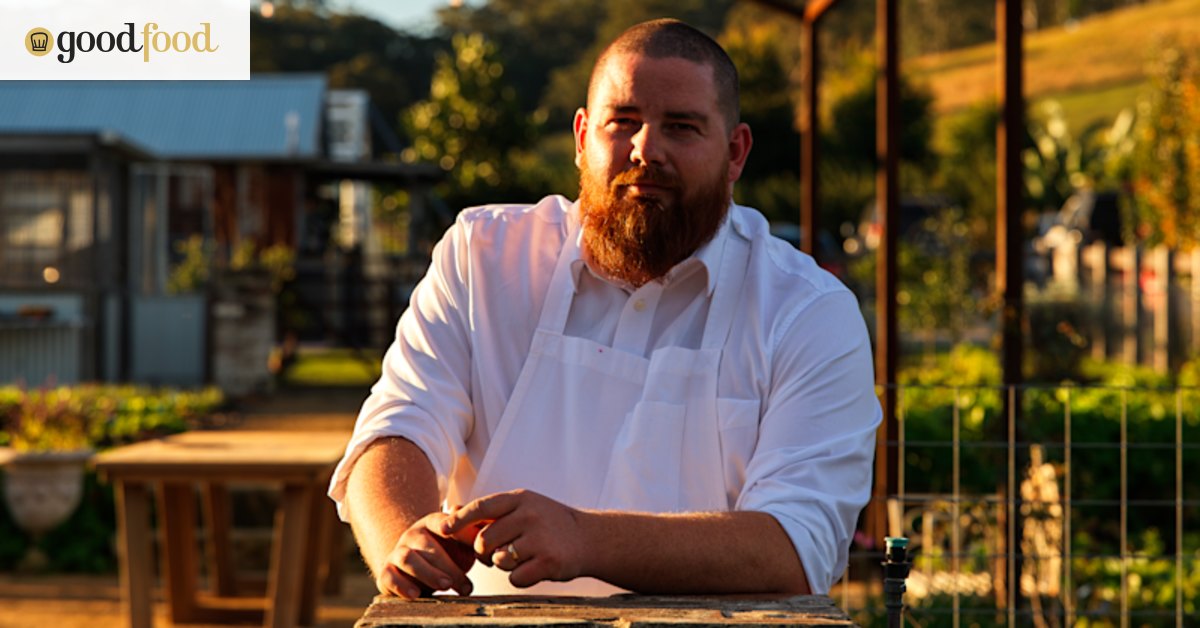
David Flynn, co-owner of Fanda, which owns and operates Southside, Marlowe and Central in Brisbane, and Rick Shores and Norte on the Gold Coast, broadly agrees with Baturo.
“I don’t think we’re at inflection point with groups,” he says. “But I think that’s because I’ve been noticing all the great little independent places that have opened and seem to be doing well.
“That’s not to say there isn’t a large chunk of the market occupied by … groups. And that’s partly because of the economics of running venues and how that’s changed – I’d say it’s become more complex over time.”
Flynn says groups can absorb rising costs and compliance requirements more easily than independent venues.
“In our case we’re spread across Brisbane and the Gold Coast,” he says. “That allows us diversify our risk a little bit, because when Brisbane goes into the quiet crickets moments after New Year’s, that’s often when the Gold Coast picks up.
“At the same time, independent operators are so incredibly important to the character of the city. Not to say our ideas are stale by any means, but I think a lot of the time the really creative ideas come from independent operators.
“I’m not sure I see groups as having too much influence on the industry. I see it as restaurateurs who are passionate about what they do wanting to do different things and challenging themselves.”
DAP & Co’s Andrew Baturo.“The biggest challenge for independents is that cost environment: labour, insurance, the increase in alcohol excise. Those things make it harder for smaller operators to get established and survive long-term, in my opinion.”
Responding to the perception that restaurant groups are paying over the odds for staff, Flynn says Fanda doesn’t “pay above market to secure talent or staff. We try to entice people with our culture … it’s something we’re very, conscious of … to [not] pay above a point where it unbalances things.”
And both Flynn and Baturo reckon restaurant groups don’t have it all their own way, with a growing collection of venues leading to payroll tax increases, and stricter scrutiny and compliance requirements.
“I’m not sure I can speak to any particular tax break that would apply to smaller operators,” Flynn says. “But going back to what I was saying before, easing any industry-wide pressures would have a positive impact on smaller businesses, in particular.”
Smith says she would like to see a more proactive stance from the government, whether it’s a different tax regime or Business Activity Statement (BAS) relief.
“It’s not about penalising groups, but giving smaller guys a leg-up,” she says. “Obviously, they get taxed more but they also have more of an opportunity for tax write-offs.
“They’re doing nothing wrong; groups are working exactly as they should. But they have more buying power and can offer incredible salaries and spread them across different venues, or if one venue isn’t doing well, write it off to another.”
“I can speak from the authority of a small business owner and we’re given a really hard time by the ATO and other such organisations,” Curtis adds.
But everyone who was contacted for this story agreed that there’s a particular, precious verisimilitude with an owner-operated venue that restaurant groups can struggle to capture, particularly if they’re experiencing rapid growth.
“Independent operators are so incredibly important to the character of the city. Not to say our ideas are stale by any means, but I think a lot of the time the really creative ideas come from independent operators.”
Fanda’s David Flynn.“Consistency is key,” Boetz says. “People want that beautiful restaurant that looks like something in Paris but they want the service to back it up. You always need someone with presence in the dining room, and a lot of time I believe there’s not.
“A lot of service is scripted and it does my head in. I want to see you; I don’t want to see some scripted version of you.”
“We try to be really big advocates of traditional hospitality,” Baturo says. “We want the individuality of the staff member to come through as well. There are steps of service, but it should come with the flourish of their own personality.”
Flynn says Fanda prides itself on striving for the kind of creativity usually reserved for independents.
“I still feel like we have the mindset of a small, independent operator, because that’s what we get truly excited about,” Baturo says. “It’s about having unique offerings, having a tight team in each of the venues, where there’s a good culture and then that energy flows onto the customer.”