3 months ago
10
3 months ago
10

January 21, 2026 — 5:00am
Want to know why you should visit Europe in winter? Compare mid-week hotel prices. A room at Mercure Central Paris Tour Eiffel costs $393 in mid-January, but $817 in mid-June. Sofitel Roma Villa Borghese is $658 compared to $1097.
Right there you’ve saved half your accommodation budget. Now do the same for flights, other than during the Christmas holidays. And railway tickets. Or, for that matter, entrance fees to museums that now use seasonal or dynamic-pricing systems.
It’s the same with cruises. Viking’s Iconic Western Mediterranean itinerary, for example, is priced from $8795 in the September peak season but is $6795 for the same experience in November.
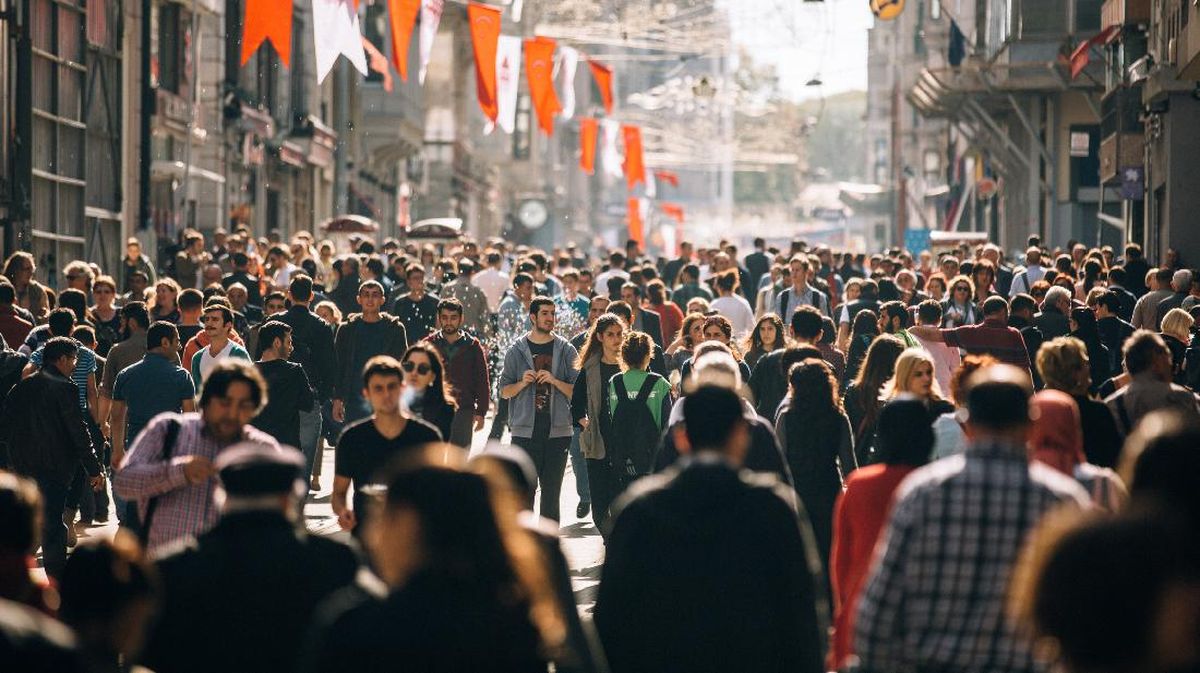
Here’s your other big reason: overtourism. That’s a bugbear, but not year-round. In 2024, Barcelona had 400,000 fewer tourists in January compared to July. In 2025, Athens saw half a million visitors in January but more than 3 million in May.
The average across Europe in 2024? In August, 175 million arrivals. In November, 100 million. One third of all annual overnights by EU citizens themselves are taken in July and August.
In short, not counting Christmas, you’ll enjoy a far cheaper and less crowded European experience in winter. But I know what you’re thinking: there’s a big, damp, chilly elephant with the sniffles in the room.
Okay, there’s no denying you’ll sacrifice warm weather and a few hours of daylight, although it mightn’t be as bad as you think in some places. Munich gets twice as much rainfall in summer than in winter. In Lisbon in February, it’s a not-too-bad 12 degrees with an average seven hours of sunshine.
If it rains and when it gets dark, head to a museum. If you’re a cultural traveller – which you might be if heading to Europe – you’ll spend a lot of time inside anyway. There are museums to see, and cathedrals, and palaces. And French pastries to eat.
We get all the sun we want in Australia, so who says you need it on holiday? Besides, for those familiar with Europe, winter has a different feel. Dark outside means cosiness inside. It means hearty meals instead of picking at salads.
Then there are all the reasons you want it to be cold. You can ice- skate under twinkling lights in an old-town square. You can wallow in a Finnish sauna. You can see the Northern Lights in Norway.
It’s opera season over winter. It’s carnival season in February. It’s always cafe season. In the Mediterranean you can still sit on cafe terraces with the aid of heat lamps.
Downsides? You’ll have to skip Europe’s gorgeous parks and gardens. Sights and restaurants might be closed or have reduced opening hours, especially in smaller towns, so check ahead.
Another big plus, however, is that you can enjoy more sightseeing spontaneity because in winter not everything has to be booked in advance, and you may avoid queues entirely.
Sign up for the Traveller newsletter
The latest travel news, tips and inspiration delivered to your inbox. Sign up now.