3 months ago
36
3 months ago
36

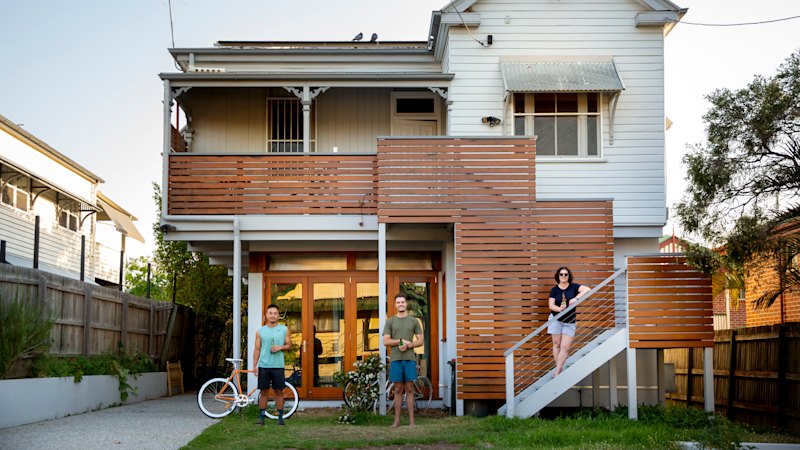
The dream of a family beach house is rapidly vanishing across Australia, with prices doubling in some coastal towns over the past five years.
But it is still possible to pick up a house in a beach suburb for $700,000 or less in some parts of the country, particularly Victoria, according to median house price data from Domain for the December quarter.
NSW sets the high-water mark, with just two suburbs at or below $700,000 – Nambucca Heads ($700,000) and Eden ($680,000). The median price for the former, roughly midway between Newcastle and Byron Bay, rose by 12 per cent in just the past 12 months.
Chris Wilson, agent and owner of Chris Wilson Real Estate in Eden, said his South Coast town had natural beauty and an untouched coastline, and benefited from having access to shared amenities in neighbouring towns.
“The mix of the town has changed over the last 20 years,” he said. “We’ve certainly had the Baby Boomer element move to the coast from inland locations … and the cities.”
He said there was also unlikely to be a significant shift in supply in the area, which was a drawcard for many.
“Just south of Eden, it’s virtually national parks and wilderness to the border,” he said.
In Victoria, a variety of towns across Gippsland, the Bellarine Peninsula and the state’s west offer prices that are more approachable.
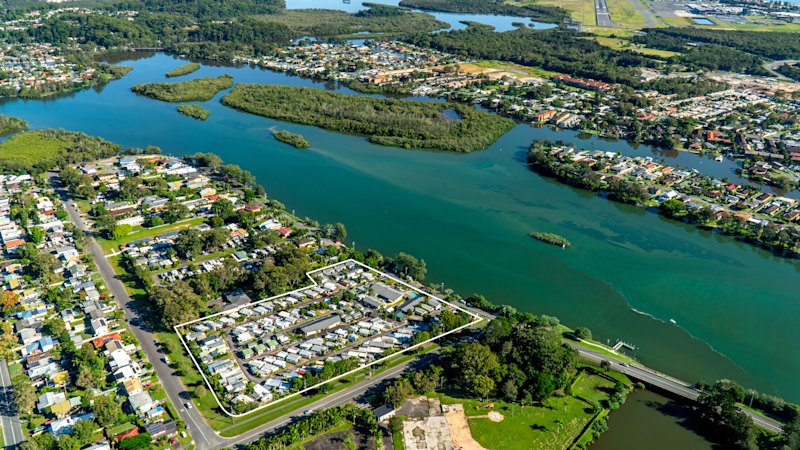
Paynesville, at the heart of East Gippsland’s riviera, had a median house price of $530,000.
“It’s all about the lake, you know, living close to the lake,” said Lorraine Edlington, agent at LJ Hooker Paynesville, noting it was also a short drive to Bairnsdale for those who wanted to work and live in the area.
“We’re mostly flat, another bonus: we get our share of retirees out of Melbourne. So we’re flat and affordable, and you can buy a secure and nice property for $600,000 or $700,000.”
Edlington thought the distance from Melbourne, at 3½ hours, probably helped to keep prices low.
But it also meant she was increasingly seeing sea-changers and holidaymakers from NSW as they were priced out of their own state.
“Anywhere along the coast is becoming quite expensive,” she said. “You can’t buy the same value in Merimbula, for instance. It just gets more expensive the higher up you get.”
Just 15 kilometres south, across the Gippsland lakes, houses are even more affordable. But with a catch.
Loch Sport had a median house price of $376,250 in December, the lowest for a coastal suburb in Victoria.
However, updates to the West Gippsland Floodplain Management Strategy 2018-2027, which a West Gippsland Catchment Management Authority spokesperson called a “living document”, have recently put sections of the town in a flood zone.
“Even people with beautiful properties that are not in the flood zone have been frightened away,” Professionals Yarram agent Ian Seed said.
He believes many of the houses up for sale in the area are listed for less than they cost to either build or renovate, thanks to the risk that they could soon be underwater.
“They’re below replacement cost,” he said. “It’s a beautiful area, so that is a real shame ... but there’s going to be some properties that are cheap down there.”
In Queensland, beach house buyers can look to suburbs in Mackay, Hervey Bay’s Scarness ($655,000 median) or Boyne Island in Gladstone ($625,000).
Mackay has a number of affordable house options, from South Mackay, at a $580,000 median, through to Bucasia, at about $665,000.
Jodie Cowin, an @realty agent based in Mackay, said Slade Point in particular had “a beautiful little community”.
“It is a gorgeous coastal area that I love calling home,” she said, noting it was a destination for whale watching, scenic lookouts, walking tracks and restaurants, all just 10 minutes’ drive from the regional hub of central Mackay.
She said property in Slade Point was “highly sought after” by investors and owner-occupiers, and that she was generally “swamped with inquiries”.
Ray White chief economist Nerida Conisbee said that, since the COVID-19 pandemic, with both investors and tree-changers rushing into regional markets, the traditional Australian dream of owning a beach house had become increasingly unattainable.
“There’s also easier ways to rent them out, so that’s pushed up value,” she said. “People have been able to get incomes out of them as opposed to just having them sitting there vacant.”
And while NSW has a higher bar for “affordable” beach towns than other states, she said Queensland had been growing at a rapid pace across the market, thanks to housing shortages and a growing population.
But she also thought interest rate rises could hit these markets hard.
“The other [factor] is fuel prices,” she said. “As we know, getting to these areas requires quite a bit of fuel.”