3 months ago
33
3 months ago
33

February 24, 2026 — 5:00am
It was only a little over two years ago that the controversial Sydney neurosurgeon Charlie Teo was slapped with an effective ban, preventing him from performing surgery in Australia without a written statement from an approved colleague.
But the restrictions, which have led Teo to take on risky surgeries overseas instead, haven’t stopped the high-profile doctor from benefiting from Australia altogether.
The Australian government’s $15 billion National Reconstruction Fund this year made a tidy $20 million investment in the brain-mapping start-up Teo co-founded called Omniscient Neurotechnology.
The medical AI outfit plans to open up a “connectomics centre of excellence” in Sydney in the next five years.
Teo was a director of the company for two years before standing down in September 2021, around the same time the gallivanting neurosurgeon faced restrictions on the kinds of operations he could perform.
But he remains a shareholder. Documents lodged with the corporate regulator show Teo, through a holding company called Teo Nominees Pty Limited registered to his address, has shares in the company worth roughly $13.6 million. In the event the start-up proves to be the “groundbreaking” success that NRF boss David Gall billed it as this year, Teo stands to do pretty well.
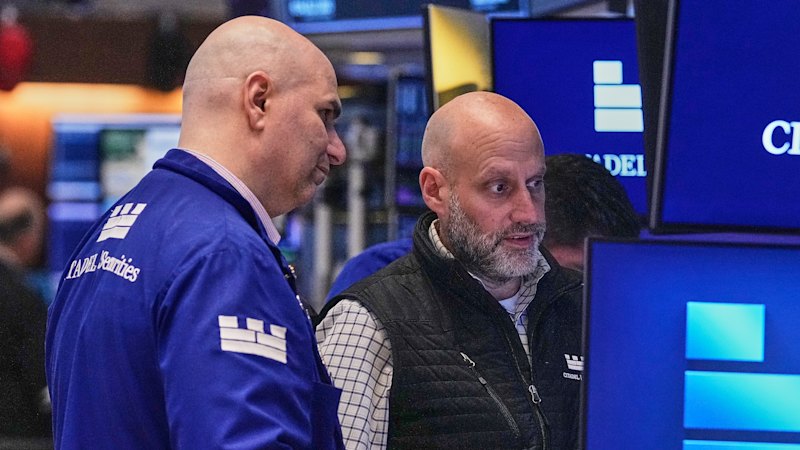
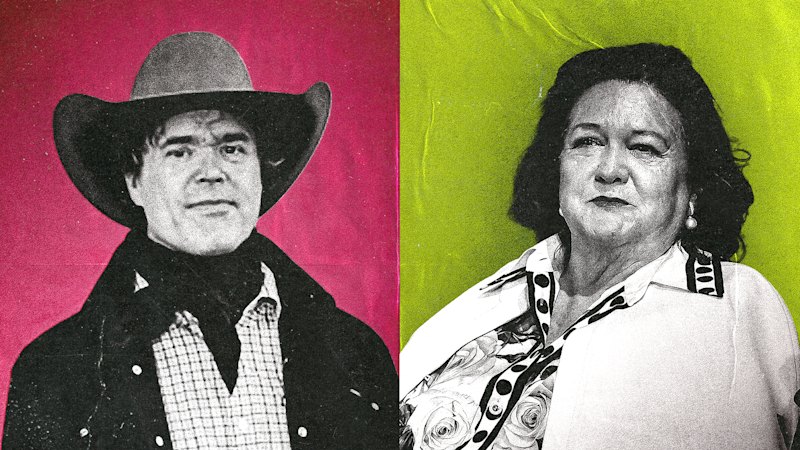
He isn’t alone. The company’s highest profile backers over the years have included billionaire Gina Rinehart and the high-flying hedge fund manager Will Vicars. Other notables who have previously tipped money in include philanthropists Gretel Packer and the Vincent Fairfax family.
Omniscient Neurotechnology didn’t get back to our queries. In response to questions, the NRF said it carried out “extensive due diligence” on Omniscient Neurotechnology, as it does with all of its investments. “This included examining the role of Mr Teo with regard to the company,” the spokesman told CBD.
“Our understanding is that Mr Teo is a minority shareholder in Omniscient. He is not part of the management team, is not on the Board of Directors and is not involved in the day-to-day operations of the company.”
Pokies baron Len Ainsworth bids farewell to company car
Pokies billionaire Len Ainsworth long enjoyed what could possibly be one of corporate Australia’s most spectacular perks.
The 102-year-old gaming baron had a deal with the company he founded in 1953, Aristocrat Leisure, which provided him with a new set of wheels every five years or so, which most expected to run for the rest of his life after he retired from the company in 1994.
The arrangement has furnished Ainsworth with a string of the auto market’s most highly coveted vehicles. Over the years, according to The Australian Financial Review, he has reportedly driven everything from Audis to Rolls Royces, and, in recent years, a Porsche Cayenne. But it looks like the centenarian has finally surrendered the benefit.
At the company’s annual general meeting last week, Aristocrat chairman Neil Chatfield was asked about the entitlement by shareholder activist Stephen Mayne, who suggested Ainsworth no longer even drives.
“Um, I don’t know whether he drives or not, but, no, we don’t supply that vehicle any longer,” Chatfield said in response. When did the arrangement come to an end? “Oh, recently.”
We reached out to Aristocrat to learn more about when exactly the arrangement came to an end, but they weren’t keen to discuss. No luck either on which car he was driving last.
Google ratchets up Canberra charm offensive
Google has among the most well-resourced lobbying ranks in political capitals around the world. In Australia alone, the tech giant has three lobbying shops on the books, including the tech-focused Eloquium Group, Labor-aligned Hawker Britton and SEC Newgate.
So when SEC Newgate, which is run by the firm’s global deputy CEO Brian Tyson in Australia, declared a new working relationship with the tech giant on the lobbyist register last week, we had to rub our eyes. Because we were under the impression that the two firms had already been working together for years.
That’s not to suggest that either SEC Newgate or Google have failed to meet their disclosure obligations. But it was enough to get us wondering what the two firms were planning that would force them to make such a disclosure.
Google is in the throes of a string of policy skirmishes in Australia. The three biggest pieces of legislation which stand to impact its local business are Australia’s plans to force the company – along with Meta and TikTok – to pay local media companies for news. Google, which owns YouTube, has also been snared by Labor’s teen social media ban.
Then there’s a brewing fight over Australia’s plans to regulate artificial intelligence – an arena in which Google is one of the world’s largest players.
Google has been known to try to woo MPs and other public officials through all manner of different activities, including traditional lobbying and public policy events in Canberra. But the company was in no mood to enlighten us on what exactly it has cooking this time around. Tyson, meanwhile, declined to comment.
Get the day’s breaking news, entertainment ideas and a long read to enjoy. Sign up to receive our Evening Edition newsletter.