3 months ago
65
3 months ago
65
Updated March 26, 2026 — 6:15pm,first published 6:13pm
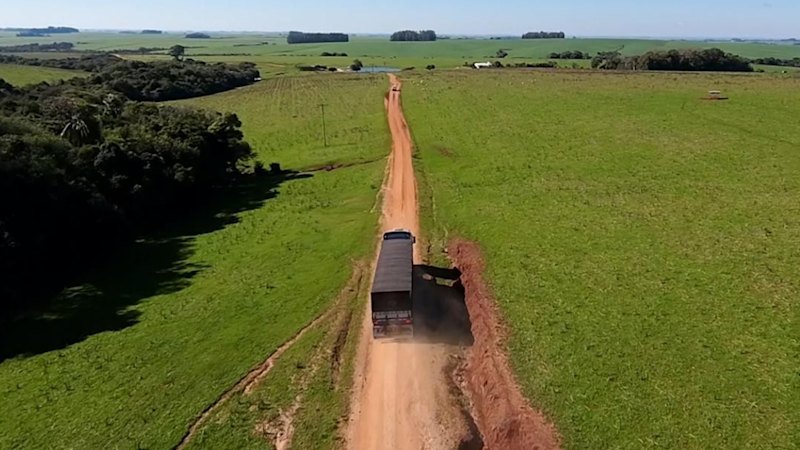
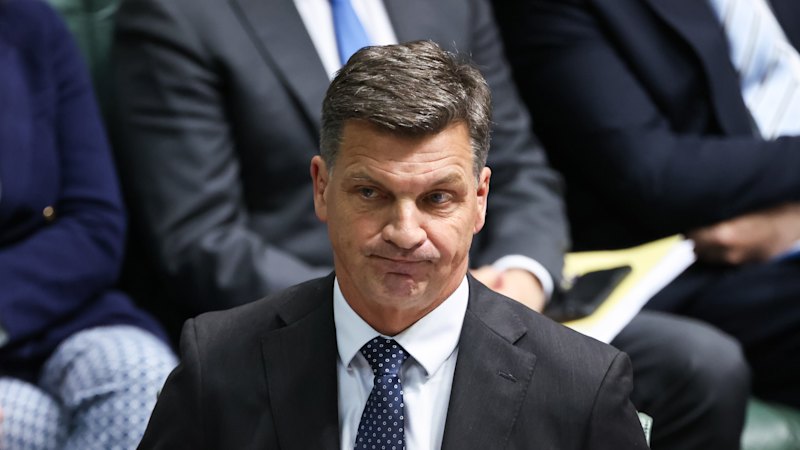
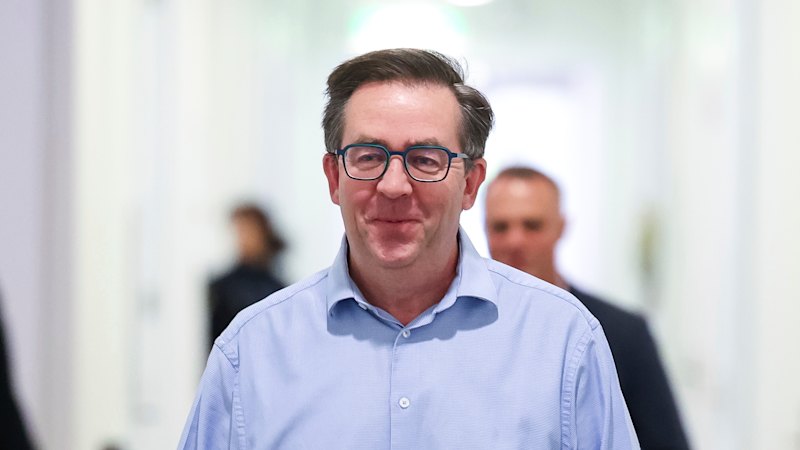
Labor has intervened to secure regional fuel supply chains in one of the most drastic market interventions since petrol rationing during WWII, as Energy Minister Chris Bowen forces suppliers to sell to independent regional service stations that are running on empty.
Bowen’s moves come as the federal government shows signs of tension after weeks of pressure to fix shortages and calls from state leaders for a national approach to fuel conservation.
This masthead revealed on Wednesday that a national cabinet meeting would be held the following Monday, while the Australian Financial Review reported on Thursday that senior ministers had raised concerns with Prime Minister Anthony Albanese about “needless secrecy” about the day of the meeting.
Albanese had initially pushed back against leading Australia’s response to the fuel shortages, saying that was the role of the states, but is now expected to discuss a national plan at Monday’s meeting.
Behind the scenes, Bowen is harnessing the mandate provided by the crisis to force companies to get fuel into regional areas.
Typically, wholesale suppliers sell most of their fuel under long-term contracts with major retail chains such as BP, Caltex and Ampol, while independent service stations make short-term deals on the spot market. Since the start of the war, major chains had crowded out the smaller buyers.
Bowen announced last week that the government would release 20 per cent of the nation’s fuel stockpile, which is held by the suppliers. He confirmed yesterday that this fuel, six days’ worth of average national diesel consumption and five days of petrol, was bound for regional areas.
It is the most dramatic intervention by a government in the private fuel industry since ration books were issued to motorists between 1940 and 1950 to reduce demand by 50 per cent.
Independent service stations in regional areas have struggled to keep up with demand in the weeks since the Iran war broke out, spurring panic buying and a doubling of fuel demand, while major retailers remained relatively better supplied under their long-term deals.
To ensure the fuel would go where it is needed in the bush, Bowen forced fuel suppliers to guarantee they would sell to regional independents.
Bowen has not declared a national emergency, which would grant him powers under the Liquid Fuel Emergency Act to control the management, allocation, and distribution of fuel supplies across the country.
But the threat he could do so secured the co-operation of fuel suppliers.
The National Roads and Motorists Association welcomed Bowen’s intervention and said if tougher action were needed in the future, the energy minister should not hesitate to use his emergency powers.
“Our message is: Go hard, minister. Do whatever you have to do. Reach in, shake every branch to make sure that the supply chain works to the benefit of the nation,” NRMA spokesman Peter Khoury said.
“If threats don’t work, he can always use the law. However, we’re of the view that with proper government scrutiny, we will get the right outcome for Australia.”
Bowen said on Thursday that suppliers are delivering more petrol to regional areas than they were at the same time last year. Viva Energy has sent 43 per cent more fuel to regional independent service stations in NSW and 22 per cent more to Queensland. Ampol is sending 40 per cent more to regional independents in NSW, 33 per cent more to Queensland and 19 per cent to Victoria.
“That is catching up with that massive increase in demand that we saw in the days following the 28th of February [attacks on Iran by the US and Israel],” Bowen said.
While Bowen has updates on fuel shortages at every question time this week, opposition energy spokesman Dan Tehan said the government should be releasing daily bulletins on service station shortages, just as covid infection numbers were provided by states during the pandemic.
On Thursday, Bowen outlined shortages in all states: in NSW 178 are out of diesel and 48 are completely dry; in Victoria 45 stations have no diesel and 72 no unleaded fuel; in Queensland 55 have no diesel, 33 no regular unleaded; South Australia nine stations have no diesel, 10 no unleaded; Western Australian 40 stations have no diesel, 14 have no unleaded; and in Tasmania five have no diesel.
Albanese again urged people to use only as much fuel as needed, as Labor pleaded with One Nation to avoid panicking consumers.
After days of jabs against the opposition, Albanese on Thursday made a point of listing the government’s actions over the past two weeks in question time.
When rationing began in late 1939, Australia had a three-month supply of fuel to carry it through a long-term disruption to supply. In contrast, when the Iran war began on February 28, Australia had around one month’s worth of petrol, diesel and aviation fuel.
Panic buying has driven a doubling of demand from motorists, farmers and other fuel users alarmed at the closure of the Strait of Hormuz, which supplies about 20 per cent of the world’s oil supply.
However, Asian refineries that supply about 80 per cent of Australia’s fuel may exhaust their stocks of crude oil within a month and it remains unclear how the potential shortfalls could be filled.
A spokesperson for BP said its priority was to maintain supply to its customers and that it was working closely with governments and distributors to deliver fuel to regional areas.
Cut through the noise of federal politics with news, views and expert analysis. Subscribers can sign up to our weekly Inside Politics newsletter.