3 months ago
23
3 months ago
23

January 23, 2026 — 7:08pm
Warning: This story contains the names and images of Indigenous people who have died.
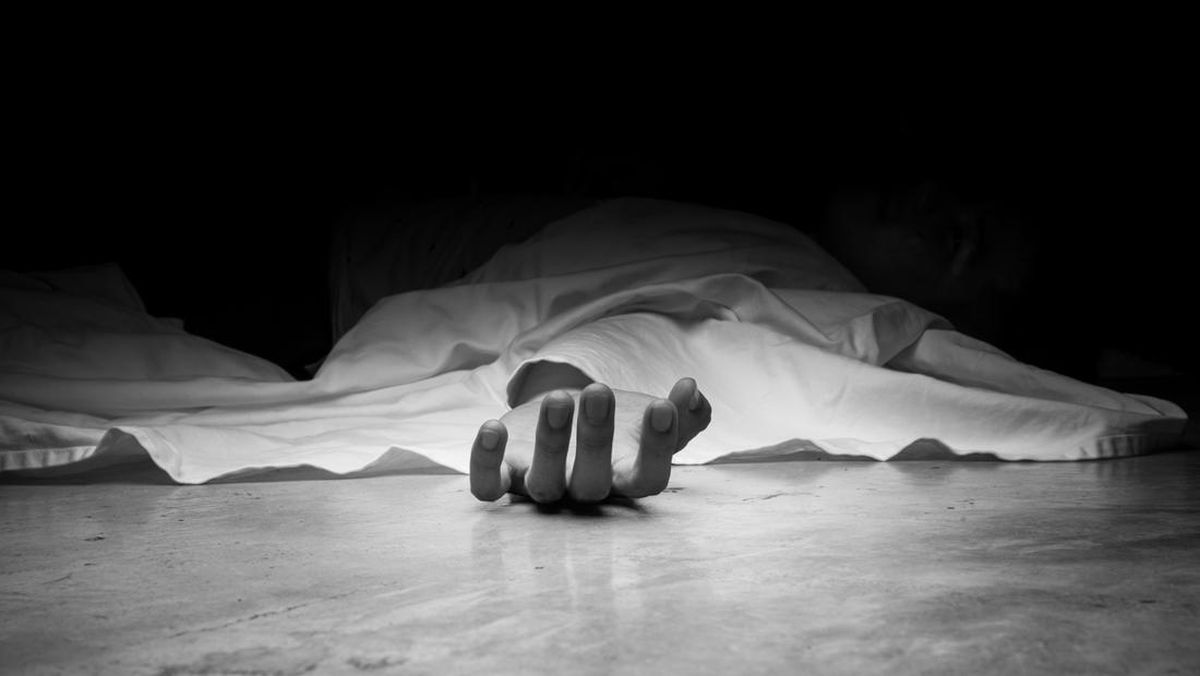
The devastating shooting death of Sophie Quinn, a heavily pregnant 24-year-old, together with her friend and aunt, has shocked the small Central West town of Lake Cargelligo. The tragedy is a terrifying echo of the death of Molly Ticehurst in nearby Forbes just two years earlier.
Quinn was allegedly killed by a former partner, Julian Ingram, who was on bail for domestic violence offences.
On Thursday, Ingram allegedly shot her alongside friend John Harris, 32, in a car, before travelling to a nearby home to gun down Nerida Quinn, 50, and 19-year-old Kaleb Macqueen, who remains in serious condition. A manhunt is currently underway for Ingram, who fled in a Ford Ranger.
Ticehurst was murdered in April 2024 by her former partner, Daniel Billings, who was on bail for three counts of rape and four counts of stalking or intimidating the 28-year-old.
Ticehurst’s death prompted a major shake-up of the state’s bail laws designed to make it harder for men accused of serious domestic violence offences to be released back into the community.
The new laws place the onus on the alleged offender to justify why they should be released for those accused of serious domestic violence offences, which include intimate partner violence involving elements such as sexual assault, strangulation, kidnapping or coercive control.
Those released on bail are fitted with electronic monitoring bracelets that alert police if the alleged offender approaches restricted areas, such as their alleged victim’s home.
However, Ingram’s charges didn’t meet the threshold for the new laws to apply. Ingram was charged in November with stalking or intimidating Quinn, common assault, and damaging her property. Serious domestic violence offences are classified as those that carry maximum sentences of 14 years or more.
Ingram’s domestic violence charges and Billings’ murder charge were both heard by the same magistrate, who continued Ingram’s police bail in December last year because his charges didn’t meet the legal threshold.
Ingram’s court appearance came just one month after Billings pleaded guilty to Ticehurst’s murder. Both women had Apprehended Violence Orders [AVO] in place for their protection.
Court records show Ingram had been issued six AVOs, protecting five people, including Quinn, since 2014.
Former magistrate David Heilpern said Ingram’s police bail was issued correctly within the legislation.
“None of the charges would trigger a presumption against bail,” he said, adding that it is “exceptionally rare” for a magistrate to overturn a police bail decision.
However, Heilpern said Ingram’s AVOs were a cause for concern.
“That would show a concerning pattern, in my view … A series of AVOs would be a red flag to me that this person has a propensity for conduct that gives rise to concern,” he said.
On Friday, Western Region Commander Assistant Commissioner Andrew Holland defended the decision to grant police bail, adding that Ingram had complied with all conditions since November and had no other violent charges in the past five years.
“With strict bail conditions and an AVO in place, it was deemed suitable,” he said.
On Friday, Acting Police Minister Paul Scully refused to respond to questions about whether the justice system may have failed those killed.
Domestic violence campaigners argue bail shouldn’t be the focus when a lack of resources is failing regional women.
DVNSW CEO Delia Donovan said Ticehurst and Quinn both faced barriers to accessing services in regional areas, where police stations are often unmanned after hours, police response times can be up to three hours, and there is an “extreme” lack of emergency housing and support services.
“We cannot respond to this issue in the same ways that we would in a metro area,” she said. “The resourcing and the coverage do not exist in regional NSW.”
Founder of volunteer-run domestic violence advocacy service Birds in the Bush and solicitor Vanessa Vazquez said domestic violence rates in rural and regional areas are double to triple those in metropolitan areas.
“AVOs are one tool in our kit, but other things which aim at prevention and early intervention simply don’t exist in places like Lake Cargelligo,” she said.
“What services there are, they’re collapsing under the weight of the demand.”
DVNSW Aboriginal and Torres Strait Islander Policy, Advocacy and Engagement Manager Cecilia McKenzie said that Quinn, an Aboriginal woman, would have faced specific challenges in seeking domestic violence services, including fear of child removal, racism, and lack of culturally appropriate services.
“Often, our perpetrators may cycle through systems that respond to risk without addressing root causes, prevention, and cultural safety. Aboriginal-led solutions must be central if we’re really serious about stopping this.
“Our communities are grieving.”
The Quinns are the third and fourth women alleged to have been killed by violence in Australia this year, according to Counting Dead Women Australia.
Start the day with a summary of the day’s most important and interesting stories, analysis and insights. Sign up for our Morning Edition newsletter.