3 months ago
39
3 months ago
39

Australians would be urged to tackle a fuel shortage by carpooling and using electric vehicles under the government’s emergency fuel plan, while more extreme measures would ration fuel by shutting petrol off at the pump once a daily allowance was exceeded.
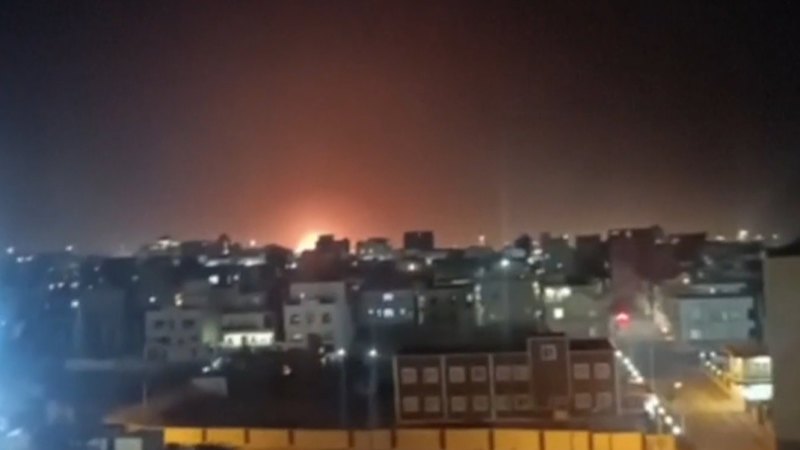
The plan, devised in 2019 by the Department of Environment and Energy before the war in Iran strangled about 20 per cent of global oil supply, reveals the lifestyle changes that could be imposed on Australians to ease demand.
Prime Minister Anthony Albanese has assured Australians that shipments of oil have been arriving onshore as planned, but the industry has sounded the alarm the nation’s fuel supplies are heading for a cliff by the end of April.
As petrol prices continue to climb, hitting a record high of an average of $2.38 a litre, and the conflict in the Middle East drags on, state premiers have urged the government to lead a national response.
The most severe measure under the National Liquid Fuel Emergency Response Plan – released under freedom of information laws and seen by this masthead – would allow petrol pumps to shut off once they reach a dollar limit set by the energy minister.
The daily “total transaction limit” would be adjusted depending on the availability of supply, with the price to be determined once the emergency plan is activated.
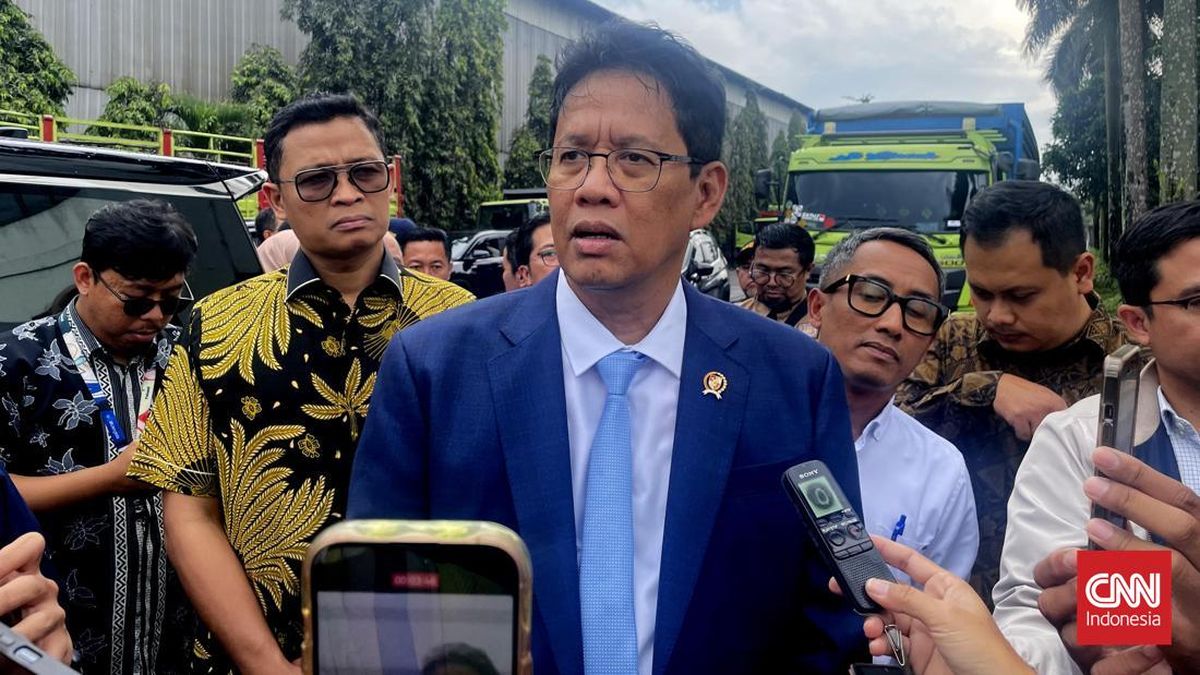
Environment Minister Murray Watt on Wednesday dismissed the prospect of a cap at $40, as reported by News Corp, as that figure was used as a hypothetical example seven years ago.
“We’re not considering this idea of a $40 price cap,” Watt told reporters in Canberra. “That comes from a document from the then-government which was released in 2019 and the situation has obviously changed between 2019 and 2026.”
But Watt urged Australians to consider the needs of others, and to be “sensible” about the amount of fuel they buy.
“We know there are real issues getting fuel into some parts of the country at the moment, and it’s one of those times that we need to think of each other and not just ourselves and only purchase the fuel that we need.”
Education Minister Jason Clare insisted to ABC News Breakfast that “any talk of rationing, I think it’s way too soon to be talking about that”.
To declare a liquid fuel emergency that would allow the government to introduce emergency restrictions, Energy Minister Chris Bowen would consult the states, territories and industry stakeholders before making a recommendation to the governor-general that the country was in a crisis.
“A national liquid fuel emergency ... may be declared only if the Governor-General is satisfied that the use of these emergency powers is in the public interest, there is no real prospect of averting the shortage by voluntary augmentation of supplies by oil companies, and the minister has provided the opportunity for prior consultation with the relevant state and territory ministers,” the plan states.
“Light-handed” measures would be used first, including an information campaign to encourage uptake of carpooling, public transport and use of electric vehicles.
The government would urge motorists to carpool, and corporations to rein in their own fuel use in their business-continuity planning.
The light-handed measures were estimated to save 3-5 per cent of fuel consumed.
Coalition frontbencher Phil Thompson, the defence industry spokesman, said the opposition would be going through the price-gouging legislation being introduced on Wednesday to police petrol price rises “with a fine-toothed comb”.
“Punishing those that are ripping people off, that sounds like a great thing, but I also want to hear about what that means,” he told reporters in Canberra.
“What is the government going to do about fuel supply? What is it going to do to stop the prices going up? Is this all going to be captured into this bill? We don’t know.”
Thompson said the government needed urgently to provide answers on the fuel crisis: “This is Mad Max stuff”.
Some of Australia’s Indo-Pacific neighbours squeezed by the oil shock have introduced measures to ease pressure on demand. The Philippines has declared a state of national emergency, while Vietnam has announced it will cancel swathes of domestic flights to conserve jet fuel.