3 months ago
32
3 months ago
32

Australia is negotiating with Japan, China and other regional powers to ensure critical fuel supplies remain open, with gas shipments from the Middle East to Asia set to run out within days, raising the prospect of the Albanese government imposing price caps or export restrictions on liquefied natural gas.
Shipments of LNG from Qatari gas fields have stopped, with no sign of when they might resume. Those ships will unload their cargoes in 10 days’ time.
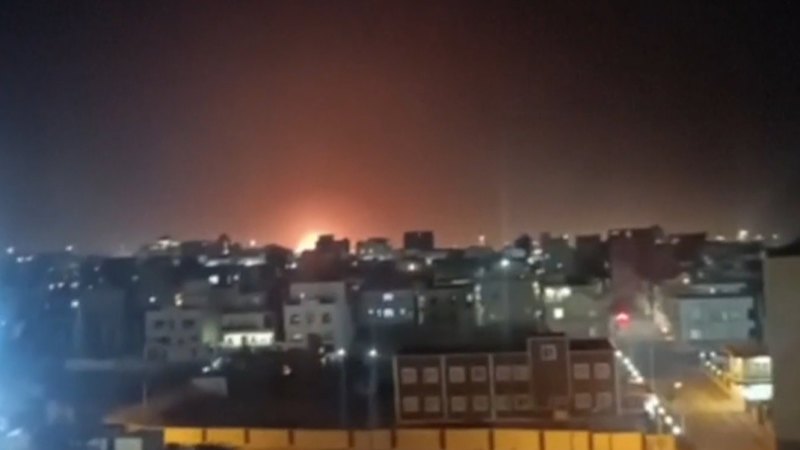
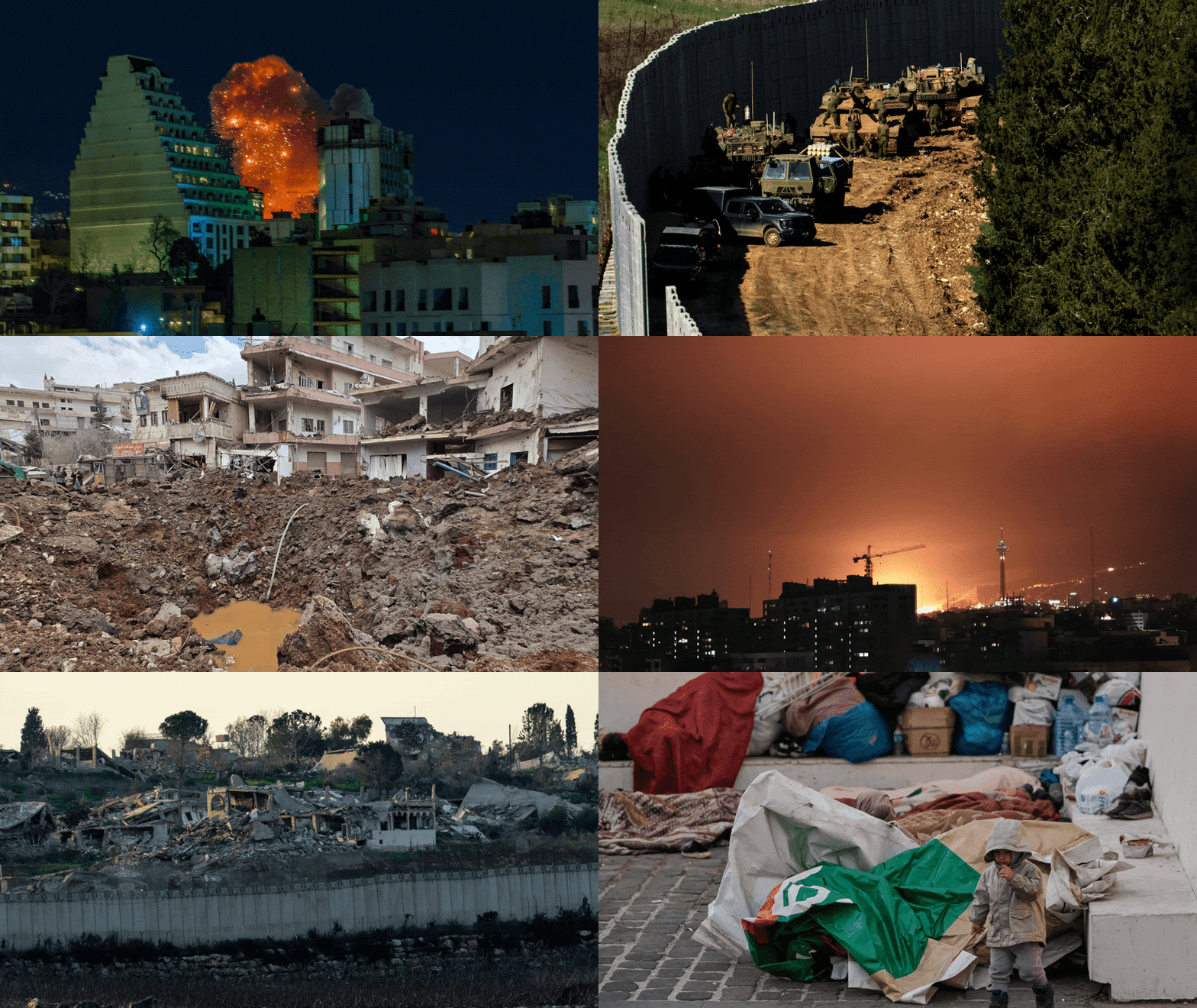
The Persian Gulf nation produces about a fifth of the world’s LNG, but was forced to shut down exports after Iran blockaded the Strait of Hormuz and its largest plant was badly damaged in a missile attack last week.
International Energy Agency chief Fatih Birol will discuss the global energy crisis at the National Press Club in Canberra on Monday, as the Albanese government grapples with growing risks to petrol and diesel supply.
Birol on Friday warned that the world faced the worst oil market crisis in history, issuing a worldwide call for workers to stay home, motorists to drive more slowly, and travellers to cut back on flights, to preserve fuel.
Australia imports about 80 per cent of its liquid fuels, and Prime Minister Anthony Albanese said this week he would use Australia’s gas exports as leverage to ensure Asian nations maintain their exports to the country.
China, a major supplier of refined fuel to Australia, is also a major buyer of Australian gas. It has banned exports of diesel, petrol and aviation fuel. Some shipments slated for Australia have failed to leave port.
Japan, which relies on Australia for 40 per cent of its gas exports, is also a major fuel supplier to Australia.