3 months ago
54
3 months ago
54
March 31, 2026 — 5:43pm
The Albanese government’s decision to halve the excise tax for three months to deliver a 26.3¢ cut to a litre of petrol is a populist measure that could make some Easter holiday motorists happier.
But the quick fix has potential to come back and bite the Australian economy should the Middle East war drag on. The community is concerned about shortages; reducing the price of petrol is likely to increase demand, which would just add to that problem.
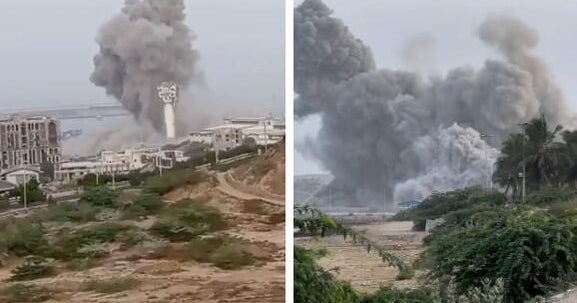
Federal and state governments are scrambling to respond after panic buying drained fuel at hundreds of service stations across the country and helped force prices to record levels. Regular unleaded petrol has reached $2.51 per litre in Sydney, up 40 per cent compared to prices before the war began on February 28. Diesel is now at $3.13.
Canberra moved to assuage fears with assurances that fuel continued to arrive in Australia in the quantities and frequency needed and expected and that ship-tracking showed sufficient fuel on its way to arrive within the next week. While aggregate national fuel supplies remain at normal levels – 39 days of petrol, 30 days of jet fuel and 30 days of diesel – the government said localised shortages had emerged as a result of increased purchasing, particularly of diesel.
Meanwhile, the Minns government has been under growing pressure to ease hip-pocket pain from escalating fuel prices caused by the conflict but so far, it has resisted the urge to follow Victoria and Tasmania and offer free public transport.
Such a move would not only punch a hole of up to $160 million a month in the state’s finances but it could possibly prove premature: the uncertainty that surrounds the conflict suggests this is an early stage of a potentially prolonged crisis and there are undoubted advantages in NSW to keeping the powder dry for later dire eventualities.
The Albanese government was once again caught flat-footed in the early weeks of crisis.
Nationally, concerns had been mounting over surging petrol costs, fuel security and profiteering as the price of food, fertiliser and road freight soared.
However, Prime Minister Anthony Albanese urged calm – and was accused of dithering – until Monday, when he changed tack markedly and announced the cut in excise, coupled with a suspension of the heavy vehicle road user charge for truckies.
The excise gambit is clearly an attempt to seize the initiative, but it also involves a bit of sleight of hand: the new price will be available only on fuel delivered to service stations after April 1 and it may not ease the cost of a road trip at Easter.
While the road user charge is a sensible way to ease the pressure on national freight networks, which are crucial to the economy, the fuel excise poses a greater risk. Not only does it come at significant cost to the federal budget, but it will also put further upward pressure on inflation, which increases the chances of another interest rate hike.
In kicking the fuel shortage crisis down the road, a benefit of higher fuel prices has been ignored: high prices encourage people to change their behaviour – to catch public transport, walk and cycle, or work from home – and that is a better way to conserve fuel in the longer term.
The government has swapped astute crisis management for a dubious political fix.
Jordan Baker sends an exclusive newsletter to subscribers each week. Sign up to receive her Note from the Editor.