
 3 months ago
59
3 months ago
59
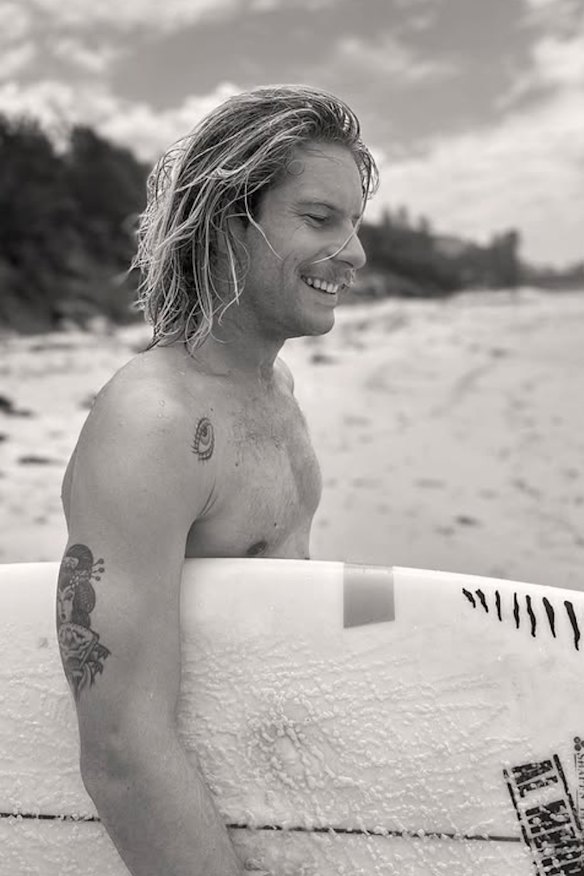
In early February, Andre de Ruyter lay unconscious in his hospital bed. More than two weeks had passed since the 27-year-old had been attacked by a bull shark while surfing at Manly. By then, his right leg had been amputated below the knee and his prognosis had worsened.
So severe were his injuries, doctors initially believed it was unlikely he would survive. If he did, they said, he would probably never make a full recovery. His family was warned to brace for the worst; off life support, there was a chance he may not be able to keep himself alive.
Not once, though, did his mother ever consider that her son wouldn’t pull through. “We didn’t allow that thought,” Lisa de Ruyter tells the Herald on the five-month anniversary of the attack. “We just ignored what they said.”
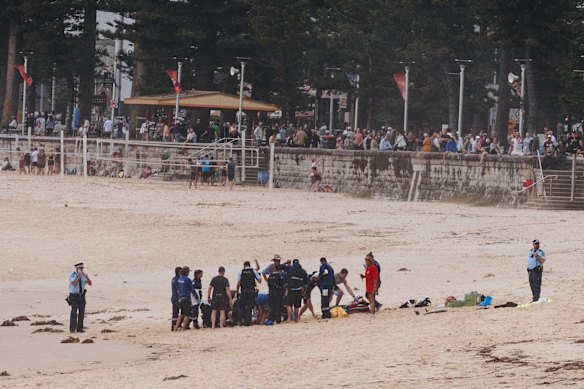
On January 19, moments after he was bitten on the right leg, two surfers in the water, Ash Bowler and Eduardo Botti, pulled him to the shore, using leg ropes as makeshift tourniquets to stem the severe bleeding from his calf. Lisa de Ruyter says she is eternally grateful to the duo, and volunteer lifesaver Sarah Lally, who performed CPR on de Ruyter on the beach. In an emergency response authorities likened to a Formula 1 pit stop, two NSW Police highway patrol cars carrying blood from two hospitals stopped on the Spit Bridge, handing the life-saving cargo over in 10 seconds. In total, de Ruyter received 13 units of blood as he was rushed to Royal North Shore Hospital.
With luck like that on his side after such misfortune, his family says, he was meant to live. “So much lined up for him to survive,” his younger sister, Alysha, says.“But also, we just know Andre. He’s incredibly lucky, strong and resilient.” His mother says: “Why would all that line up unless he was meant to?”
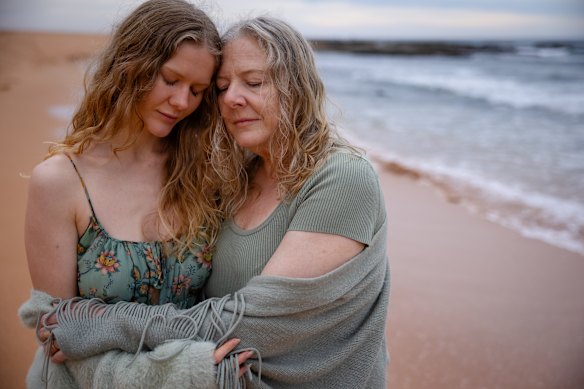
In the weeks after the attack, de Ruyter’s family tapped into their spirituality and Lisa de Ruyter’s mindfulness training, wrapping themselves around their beloved son and brother, a talented musician and surfer. They practised breathwork and music therapy. They meditated and allowed only positive discussions to be had as he fought to recover. “We kept any conversation that was not [in line] with that away from him,” Lisa de Ruyter says.
Some experts discounted the family’s approach, but slowly de Ruyter started to respond; when his mother practised breathwork, she says, she could see and feel her son’s breathing matching hers. She asked that doctors reduce his sedation and medication. Then, after 17 days in intensive care, he opened his eyes.
The months since have been gruelling, but they have yielded progress that de Ruyter’s family always knew he was capable of, yet still find remarkable. The 27-year-old, who isn’t yet ready to talk publicly about the attack, was not expected to walk again; this month, with the help of a support fitted underneath his knee, he was upright and moving at Northern Beaches Rehabilitation, where he is undergoing five sessions a week. “He was so determined to stand and walk,” Lisa de Ruyter says. “He’s amazing.”
The recovery has come at a cost, though. Five weeks ago, de Ruyter’s family decided to discharge him from hospital. Grateful as they are to hospital staff who helped save his life and cared for him, they feel the public health system didn’t offer the holistic care they felt de Ruyter needed to recover physically and mentally. The public health system, Lisa de Ruyter says, is not yet well-suited to dealing with the complex needs of a shark attack survivor.
“After such a traumatic event, the mind and body must heal together in such an instance. And the hospital system doesn’t work on that. There needs to be a change if we’re going to have more shark attacks,” she says. “For a long-term patient that rehab’s not there … so that they can become survivors, not victims, very quickly they need rehab and [the hospitals] need funding for that.”
While de Ruyter’s family is quick to praise the work of hospital staff, they believe increased long-term rehabilitation services across the state’s public health system, and a focus on early intervention for the physical recovery of trauma victims, would help survivors like de Ruyter. “We had to figure it out ourselves as a family,” Lisa de Ruyter says.
A northern Sydney health district spokesperson said Royal North Shore Hospital staff wished de Ruyter and his family the very best after his “remarkable recovery”.
“Throughout his care, Andre and his family were supported by a multidisciplinary team of medical, nursing and allied health professionals who worked together to address not only his physical health needs, but also the mental health, social and wellbeing needs of both Andre and his family,” they said.
“We recognise this has been a very challenging time.”
The family is now funding de Ruyter’s rehabilitation with the proceeds of an online fundraiser launched earlier this year. With their son’s recovery front of mind, de Ruyter’s mother and his father, Olaf, are yet to return to work. Having relocated de Ruyter from the family home on the South Coast to Sydney’s northern beaches to be closer to rehabilitation sessions, the couple is spending more than $4000 a week on medical costs and accommodation. The outlay for the private care has fast-tracked de Ruyter’s recovery, but it has left them struggling to pay the mortgage on their family home.
The family says the community has rallied around de Ruyter in the months since his attack. Kai McKenzie, who survived a shark attack at Port Macquarie in 2024 and who now surfs with a prosthesis, and his family have reached out and sent gifts and video messages. Andre’s former workplace, Resin Brewing in Bulli, raised $16,000 for the family. “There is only gratitude to everyone,” Lisa de Ruyter says.
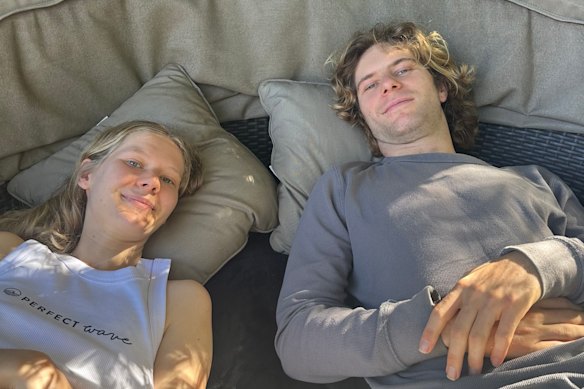
At a fundraiser for the family at Brookvale’s 7th Day Brewery, de Ruyter and his sister performed together for the first time since the attack. The performance was a cherished moment for the siblings, who have played music and performed together for years. “It was very hard for me, but I’m really glad that we did that, and he was really grateful to perform,” Alysha de Ruyter says. The reunion, Lisa de Ruyter says, brought “a lot of tears”.
The attack on de Ruyter, a life-long lover of the ocean, came amid a spate of similar incidents across Sydney that renewed debate about NSW’s shark mitigation strategies. An attack on Coogee swimmer Leah Stewart last weekend placed shark controls back in the spotlight and sparked calls for culling of the animals.
But de Ruyter harbours no resentment towards the animal that attacked him. Neither he nor his family support a cull. In fact, the opposite is true. “I’ve seen very little dwelling on that. I’ve seen such amazing strength,” Lisa de Ruyter says. De Ruyter still considers sharks “cool”, his sister says.
De Ruyter’s days now follow a familiar routine: he stretches his leg, joins his family walking their bordoodle, Luna, or meditating, and attends rehabilitation sessions.
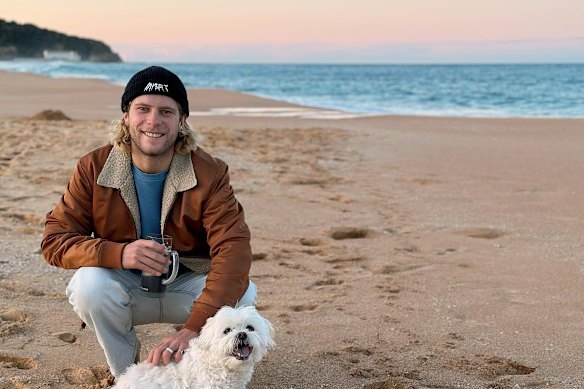
The 27-year-old is yet to return to the surf, but swimming in Sydney’s ocean pools has reinvigorated him. “He could see more of himself come back,” Alysha de Ruyter says of her brother’s return to the water.
There is a long road to recovery ahead for de Ruyter, but progress is coming quickly. In time, he will be fitted with a prosthesis. After that, he has one goal in mind. “I just want to surf,” he tells his family. Every day, they say, he talks about getting back in the water.
Start the day with a summary of the day’s most important and interesting stories, analysis and insights. Sign up for our Morning Edition newsletter.

















































