3 months ago
21
3 months ago
21
Ambulance ramping rates improve but remain well below Crisafulli’s election pledge
The number of Queenslanders waiting in ambulances at hospitals for urgent care has improved slightly, according to a new auditor’s report, but emergency department performance remains significantly below the Crisafulli government’s electoral pledge, as pressure mounts to drive down ramping.
The analysis of public hospital performance found fewer than 50 per cent of the state’s emergency departments were treating patients within the recommended timeframes.
The latest report by the auditor-general showed a 4.5 per cent increase in demand for emergency department services across the state in the past five years, with the Sunshine Coast and West Moreton experiencing the greatest rises in demand.
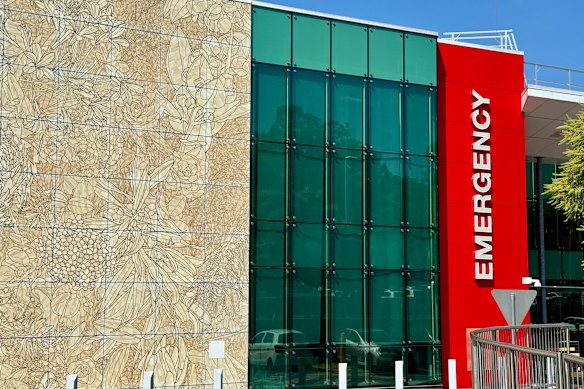
Public health services across Queensland are facing significant strain, a new report from the state’s auditor-general has found. Credit: Courtney Kruk
While the number of emergency presentations steadied over the past financial year, fewer than 50 per cent of patients were treated in under four hours – two percentage points worse than the year before, and significantly below the overall target of 80 per cent.
The knock-on effect of this was revealed in ambulance performance rates, with 41 per cent of patients ramped for longer than the recommended time in 26 of the state’s top public hospitals.
Loading
“Overall, ambulance ramping has shown an improvement of 3 percentage points compared to last year,” according to the Queensland Audit Office.
“However, ramping continues to be an ongoing challenge in some areas, as demand for emergency services continues to increase.”
Improving emergency department performance was a key pillar of the Liberal-National government’s election victory in 2024, when it promised to drive down ramping to below 30 per cent by the next poll in 2028.
Despite an overall improvement compared to the year prior, hospitals in Brisbane, West Moreton and the Gold Coast showed the biggest rates of ambulance ramping over the reporting period.
Ramping is linked to the number of patients presenting to hospitals, the availability of beds to transfer patients from emergency departments, and the inability to discharge patients from hospitals.
The increased pressure on emergency services was further reflected by a 4 per cent rise in the average length of stay for patients compared to the year prior, with more people also waiting longer to receive specialist care.
Hospitals in Mackay and West Moreton showed the largest increase in patients staying longer in hospitals. This was partially driven by demand from older patients, many clinically ready for discharge but unable to be transferred to suitable accommodation, such as an aged care facility.
Figures from the end of last year show nearly 1300 elderly or disabled patients left stranded in Queensland hospitals while waiting for accommodation, an issue the Crisafulli government has repeatedly lobbied the federal government over.
As of July 1, nearly 117,000 patients were awaiting outpatient specialist care – an increase of 15 per cent on the previous year.
Start the day with a summary of the day’s most important and interesting stories, analysis and insights. Sign up for our Morning Edition newsletter.
Most Viewed in National
Loading