3 months ago
43
3 months ago
43

Prime Minister Anthony Albanese will use his weight to push Asian countries to keep supplying oil to Australia as the Coalition proposes dropping sanctions on Russian fertiliser to avoid a food inflation should the Strait of Hormuz remain blocked.
The government for the first time on Sunday acknowledged the potential benefit of Australians working from home and cutting back on fuel consumption, two days after it played down recommendations from the International Energy Agency (IEA) to drive less and avoid air travel.
Ahead of a contest over the urgency of Labor’s response to the oil shock in parliament, Energy Minister Chris Bowen warned on Sunday about bumpy supply from next month as crude oil from the Middle East is expected to become scarcer. At least six ships destined for Australia had been cancelled due to the conflict in Iran and the Gulf, he said, with about 80 ships expected to arrive.
Senior sources in the government, who declined to be named so they could speak frankly, said Albanese had been phoning counterparts to lobby for steady volumes of supply. He will step up his diplomatic efforts this week, the sources said, as China clamps down on exports and Labor scrambles to prove it is dealing with the fuel shock proactively.
The prime minister is seeking to leverage Australia’s role as a huge exporter of coal and gas to make sure Australia is not left behind if supply is cut over coming months.
“I can understand … People think all the ships are coming now and in one day they’ll all stop in one go,” Bowen said on ABC’s Insiders on Sunday.
“That is highly unlikely to be the case. It’s much more likely that there’ll be bumps in supply but that governments will work with the refiners and the importers to manage those and minimise impact.”
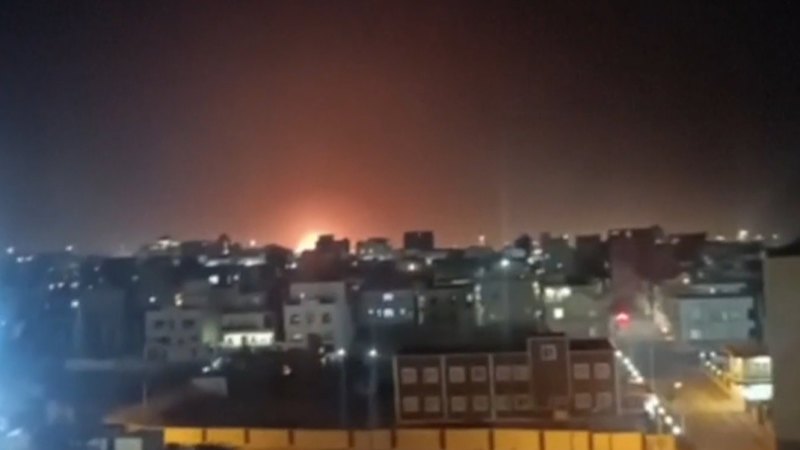
US President Donald Trump at the weekend set a 48-hour deadline for Iran to open the Strait of Hormuz, which the Iranian theocracy has effectively blocked in an attempt to cause economic pain to the West.
Trump said he would “obliterate” Iranian power plants, while Israel’s military chief said the war was probably at its halfway point.
Foreign Minister Penny Wong has been leading the government’s effort to secure output from refineries in Asia. She has held calls with officials from Singapore, Korea and Malaysia amid fears in the resources sector that those nations, particularly Korea, would not prioritise Australia.
The global economy is on edge as oil prices spike and world leaders wait to see if Trump brings the war to an end, allowing passage through the strait to slowly to return to normal.
On Saturday, Australia signed up to a global statement offering to help the US reopen the strait, through which 20 per cent of global oil normally travels. Days earlier the Albanese government had opted out, reflecting its reluctance to offer more military support. But as Trump criticised Australia’s attitude to the war in vague terms, it added Australia’s support to the statement when it became clear that nations that were also reluctant to take an offensive posture in the Middle East had signed on.
The fuel crisis has dominated much of the public debate over the war. Farmers, construction firms, medical suppliers and other captains of industry have warned of a wider crisis if an oil shortage drives up the price of petrochemicals used to make all kinds of products.
Cotton farmers and food producers have expressed worry about the global price of urea, a key ingredient for fertiliser, rising from about $600 a tonne to nearly $900.
Reports have emerged showing farmers being quoted up to $1200 per tonne, which Coalition resources spokeswoman Susan McDonald said was forcing avocado and banana producers in Queensland to make tough decisions on whether to harvest crops.
The Queensland senator said fertiliser production had been under pressure for some time and the “latest crisis had brought it to the fore”.
“If we can’t get the straits open quickly, then lifting sanctions on Russian-produced fertiliser would be required,” she told this masthead.
Australia imposed sanctions on Russia after its illegal invasion of Ukraine. The US sanctioned Russia, too, but did not block fertilisers because it was worried about food security. The Trump administration lifted sanctions on Belarusian fertiliser last week.
Russian oil exports are a key source of revenue to fund Vladimir Putin’s ongoing military campaign. Last week European countries rebuked Trump’s decision to ease some US sanctions on Russian oil.
Bowen was not asked about fertiliser in his Sunday-morning interview but emphasised Australia’s firm opposition to using Russian oil.
“I’ve always been clear: we do not support Russian oil but we do also understand that there is a blending of Russian oil in various points of the supply chain, which means it can be hard to trace,” he said.
He said it would be sensible for firms to offer workers the option to work from home more often, two days after he downplayed recommendations from the IEA to take drastic measures to conserve fuel.