3 months ago
50
3 months ago
50

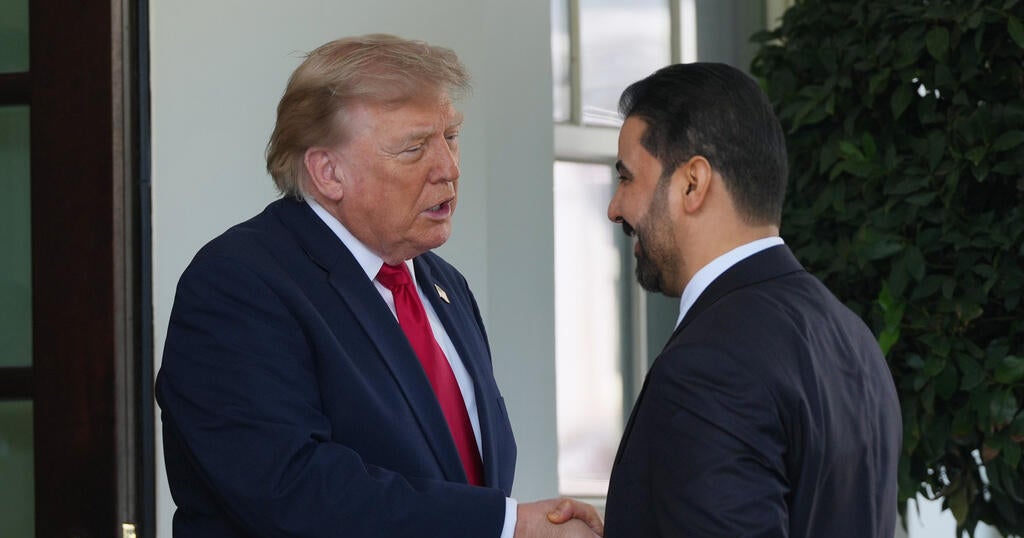
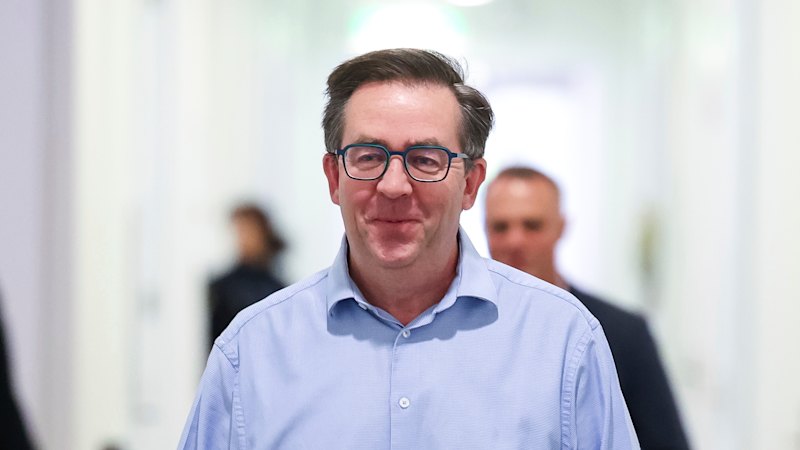
Canberra/Washington: Prime Minister Anthony Albanese has called for more clarity from Donald Trump about his aims for the war in Iran, as the US president muses on the possibility of seizing the regime’s oil supplies.
Albanese’s more forceful language after a month of war in the Middle East came as Trump insisted that the war could end soon after progress in negotiations, even as the Pentagon orders the deployment of 10,000 more troops to Iran.
“I want to see more certainty in what the objectives of the war are, and I want to see a de-escalation,” Albanese told reporters on Monday. “So a de-escalation is in the global economy’s interests.”
Trump told the London Financial Times in his latest interview that the US military had “another couple of thousand targets to go” in Iran and that “a deal could be made fairly quickly”.
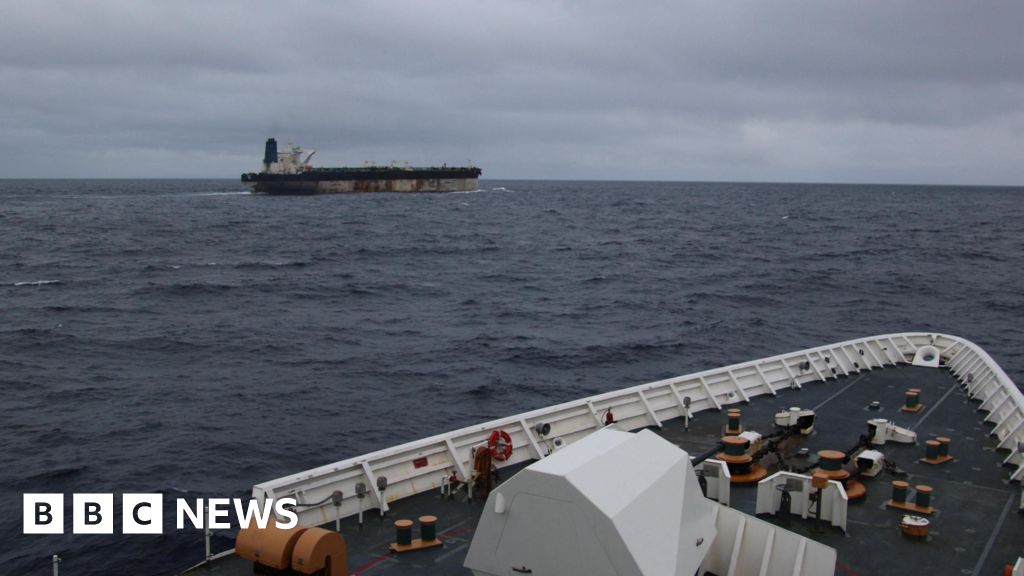
But in the same interview, Trump said he wanted to seize Iran’s oil resources, a move that would mark a major escalation in the conflict.
“To be honest with you, my favourite thing is to take the oil in Iran, but some stupid people back in the US say: ‘Why are you doing that?’ But they’re stupid people,” he said.
Taking Iran’s oil would require a risky military operation involving the invasion and occupation of its main export hub, Kharg Island, which also houses an Iranian naval base. Trump said that taking Kharg Island “would also mean we had to be there for a while”.
He later told reporters aboard Air Force One that Iran “gave” America most of the 15 demands it issued to Tehran to end the war, even as it remained unclear whether either side was negotiating.
“They gave us most of the points. Why wouldn’t they?” he said, declining to specify what concessions Iran had offered.
Publicly, Iran has rejected the US’ 15-point list of ceasefire terms delivered by the Trump administration via intermediaries in Pakistan, and has countered with five conditions of its own – including maintaining sovereignty over the Strait of Hormuz.
The US has sent dissonant messages about the next stages of the war. Trump has pushed for ceasefire talks with Iran even as the military ramps up forces in the region.
Thousands of US troops amassed in the Middle East at the weekend, including an amphibious assault team that arrived on Saturday. Members of the 82nd Airborne Division were also on their way.
The president said on Sunday that the US and Iran had been meeting “directly and indirectly” and that Iran’s new leaders have been “very reasonable”, claiming they would permit 20 more oil cargo ships through the Strait of Hormuz from Monday (Washington time) as a “sign of respect”.
But negotiations did not preclude further military action.
“We’re doing extremely well in that negotiation,” Trump said. “But you never know with Iran because we negotiate with them and then we always have to blow them up.”
Trump also suggested that the US had already achieved its goal of regime change, saying: “We’re dealing with different people than anybody’s dealt with before” following the killing of many of Iran’s senior leaders, including supreme leader Ayatollah Ali Khamenei.
Albanese said he regarded the Iranian regime as “abhorrent and reprehensible”, but was unsure whether foreign military intervention could achieve true regime change.
“I think that clearly whether that is going to occur or not is something that I think needs to be outlined,” he said.
Albanese said that “very clearly, history tells us that regime change imposed from outside is very difficult. [It] tends to happen from the bottom up within a country, rather than being imposed from outside, because military action against a nation will tend to promote nationalism within that nation.”
Albanese did not go as far as Liberal frontbencher Andrew Hastie, who at the weekend described the war as “a huge miscalculation” and criticised Trump’s lack of consultation with allies.
Albanese said he believed the US and Israeli strikes had “clearly” achieved the other two aims: stopping Iran from getting a nuclear weapon and degrading Iran’s ability to fund terror proxies throughout the region.
Iran is still believed to possess 440 kilograms of highly enriched uranium, which would probably require a complex ground operation to remove.
Iran’s parliamentary speaker, Mohammad Bagher Ghalibaf, accused the US of sending messages about possible negotiations while at the same time planning a ground invasion. Tehran was ready to respond if US soldiers were deployed, he said.
“As long as the Americans seek Iran’s surrender, our response is that we will never accept humiliation,” he said in a message to the nation.